
Stockholm is undoubtedly one of the most captivating cities in the world to visit. Known for its rich history, stunning architecture, and vibrant natural landscapes, this Swedish capital offers a diverse range of experiences for every type of traveler. What truly makes Stockholm stand out, however, is the warmth and hospitality of its people, which elevates the beauty of the city’s surroundings. The combination of modern urban sophistication and historic charm creates a city that feels both cutting-edge and timeless. But just like with any destination, the time of year you visit can significantly shape your experience. Each season offers its own unique flavor, and choosing the right time based on what you want to experience can turn a good trip into an unforgettable one.
Many people believe that certain cities are only worth visiting during specific times of the year, but Stockholm defies that notion. The city thrives year-round, with each season offering its own distinct character and experiences. Whether you’re walking through cherry blossom-filled parks in the spring, taking a boat ride around the archipelago in the summer, cozying up in a café during a colorful autumn, or immersing yourself in the magic of a Swedish winter, Stockholm has something to offer at every turn. For anyone planning to visit, it's helpful to know what each season offers to ensure you make the most of your trip.
As the winter frost gives way to the freshness of spring, Stockholm transforms into a vibrant and lively city full of color and activity. The transition from cold to warmth breathes new life into both the city and its inhabitants. One of the highlights of spring in Stockholm is the opportunity to experience the city's various cultural festivals. These events range from arts and crafts exhibitions to musical performances and traditional Swedish celebrations. Attending one of these festivals allows visitors to immerse themselves in local culture, often sparking newfound interests. It’s not uncommon for travelers to leave Stockholm with new hobbies or passions that they’ve discovered during their stay.
Additionally, the city’s parks come alive in spring with the blossoming of cherry trees, particularly in places like Kungsträdgården, where the pink petals create a surreal, dreamlike atmosphere. Whether you’re a photography enthusiast or just enjoy beautiful scenery, a stroll through these parks will leave a lasting impression. The outdoor spaces in Stockholm are designed for both relaxation and recreation, offering a peaceful respite from the hustle and bustle of urban life. This is also a great time to visit Stockholm’s botanical gardens, which showcase the region’s diverse flora in full bloom.
Summer in Stockholm is truly something special. The long daylight hours, thanks to Sweden’s northern location, mean that you can spend more time exploring the city without worrying about nightfall. In fact, during the height of summer, the sun barely sets, creating a phenomenon known as the "Midnight Sun." This extended daylight gives you the opportunity to maximize your time exploring the city’s countless attractions. One of the top things to do during the summer is to explore Stockholm's archipelago, which consists of around 30,000 islands. These islands offer a serene escape from the city’s busy streets and are perfect for swimming, kayaking, or simply relaxing on the shore with a traditional Swedish lunch.
The summer months are also packed with festivals, the most famous being the Midsummer Festival. This is a beloved Swedish tradition where locals and visitors alike gather to celebrate the summer solstice. It’s a time for dancing around the maypole, singing traditional songs, and feasting on local delicacies like pickled herring, fresh potatoes, and strawberries. The sense of community and joy during Midsummer is infectious, and travelers who visit during this time often find themselves swept up in the festivities. Even if you’re not familiar with Swedish customs, the welcoming nature of the people ensures you’ll feel right at home.
For history buffs and culture lovers, the summer season is ideal for exploring Stockholm's many open-air museums and historical sites. The city’s rich history, dating back to the 13th century, is on full display in places like Djurgården, where the Skansen open-air museum offers a glimpse into Sweden’s past through preserved buildings, live demonstrations, and historical reenactments. From Viking history to modern-day Swedish culture, there’s no shortage of learning opportunities in Stockholm during the summer.
Autumn in Stockholm is nothing short of magical. As the leaves begin to change color, the city is bathed in a warm, golden light that enhances its natural beauty. The crisp, cool air and the rustling of leaves underfoot create the perfect setting for leisurely walks through Stockholm’s many parks and nature reserves. The city takes on a more intimate feel during this time of year, as the summer crowds dissipate, and the slower pace allows for more meaningful exploration. Whether you’re strolling through the historic streets of Gamla Stan or taking in the panoramic views from Monteliusvägen, autumn offers a unique perspective on the city’s timeless charm.
The fall season is also the perfect time to experience Stockholm’s famed café culture. As the weather turns cooler, the city’s cafés become cozy refuges where locals and travelers alike gather to enjoy a hot cup of coffee or tea. The tradition of "fika," a Swedish coffee break often accompanied by pastries, is taken to the next level during autumn. The rich aromas of cinnamon buns and freshly brewed coffee fill the air, making it impossible to resist stopping in for a warm treat. This season also brings with it a certain calmness, making it ideal for reflective moments spent in one of Stockholm's many cultural institutions, such as its world-class museums and galleries.
Winter in Stockholm may be cold, but it’s also one of the most enchanting times to visit the city. The streets are illuminated with twinkling lights, and the festive atmosphere takes over as Christmas approaches. Stockholm transforms into a winter wonderland, complete with holiday markets, ice-skating rinks, and the smell of mulled wine wafting through the air. For many travelers, the highlight of winter in Stockholm is experiencing the traditional Swedish Christmas markets, where you can find handmade crafts, delicious seasonal foods, and unique gifts. These markets are not just places to shop; they’re a cultural experience, offering insight into Swedish holiday traditions and the chance to mingle with locals.
Beyond the festive charm, winter in Stockholm is also a time to indulge in hearty Swedish cuisine. Traditional dishes like saffron buns, gingerbread cookies, and julmust (a non-alcoholic Christmas beverage) are must-tries during the holiday season. And if you happen to visit in December, you’ll likely encounter the celebration of Sankta Lucia, a festival of light that is celebrated with candlelit processions and beautiful choral performances. It’s a unique cultural experience that offers a deeper understanding of Swedish traditions.
Despite the cold, winter in Stockholm is a time for embracing warmth—whether it’s the warmth of a cozy café, the warmth of a delicious meal, or the warmth of Swedish hospitality. The snowy streets, the soft glow of Christmas lights, and the peaceful stillness of the city create an atmosphere that is both serene and festive. While summer may be the most popular time to visit, winter offers a different kind of magic that many travelers find irresistible.
No matter which season you choose to visit Stockholm, you’ll find that the city has something unique and special to offer. Its rich history, natural beauty, and cultural vibrancy make it an exceptional destination year-round. Whether you’re drawn to the cherry blossoms of spring, the festivals of summer, the colorful autumn leaves, or the cozy winter markets, there’s always something to experience and enjoy in Stockholm. To ensure that your trip is as seamless and fulfilling as possible, working with a knowledgeable travel planner can make all the difference. With expert guidance, you’ll be able to experience Stockholm in the way that’s best suited to your interests, making your visit unforgettable.
Spain is a country of unparalleled beauty and diversity, offering a range of experiences that cater to every type of traveler. From sun-soaked beaches to historic cities and breathtaking landscapes, Spain’s rich tapestry of attractions promises an unforgettable journey. Whether you’re an adventure seeker, history buff, or simply looking to relax, Spain has something special for you. Here are fifteen must-visit destinations that will surely take your breath away.
For those seeking outdoor thrills, the Sierra Nevada mountain range is a top destination. This stunning range is home to Spain’s highest peak, Mulhacen, and offers exceptional skiing and snowboarding opportunities during the winter months. When the snow melts, the area transforms into a haven for hikers and cyclists, with trails and paths that showcase the region’s natural beauty. The mountain vistas are truly breathtaking, and after a day of adventure, you can indulge in the region’s excellent culinary scene. Enjoy delicious tapas and local wines in one of the many charming mountain towns, making for a perfect blend of physical activity and relaxation.
Step back in time with a visit to Santiago de Compostela in Galicia, a city steeped in history and spiritual significance. Known for its UNESCO World Heritage-listed Old Town, Santiago de Compostela is a major pilgrimage site and holds great importance in Christian history. According to tradition, it is believed to be the final resting place of St. James, one of Christ’s apostles. The city’s medieval charm, with its cobblestone streets and historic buildings, offers a unique and immersive travel experience. The rich cultural and spiritual heritage of Santiago de Compostela makes it a captivating destination for both history enthusiasts and spiritual seekers.
For a more off-the-beaten-path experience, head to Almeria in Andalusia. This lesser-known gem boasts a warm climate and is renowned for its stunning beaches, fascinating caves, and historic mines. Almeria offers a unique blend of natural beauty and historical intrigue, with plenty of opportunities for exploration and relaxation. Playa San Pedro, in particular, is a serene spot that provides a tranquil escape from the hustle and bustle. Whether you’re interested in soaking up the sun, exploring natural wonders, or delving into local history, Almeria has something to offer.
Costa Brava, with its stunning coastline and crystal-clear waters, is a paradise for beach lovers and nature enthusiasts. This region is famous for its pristine beaches and picturesque landscapes, making it an ideal destination for a sun-soaked getaway. Explore the Medes Islands and Montseny Natural Park to discover the rich biodiversity and natural beauty of the area. The charming coastal towns and vibrant marine life further enhance Costa Brava’s appeal, making it a top choice for those seeking both relaxation and adventure.
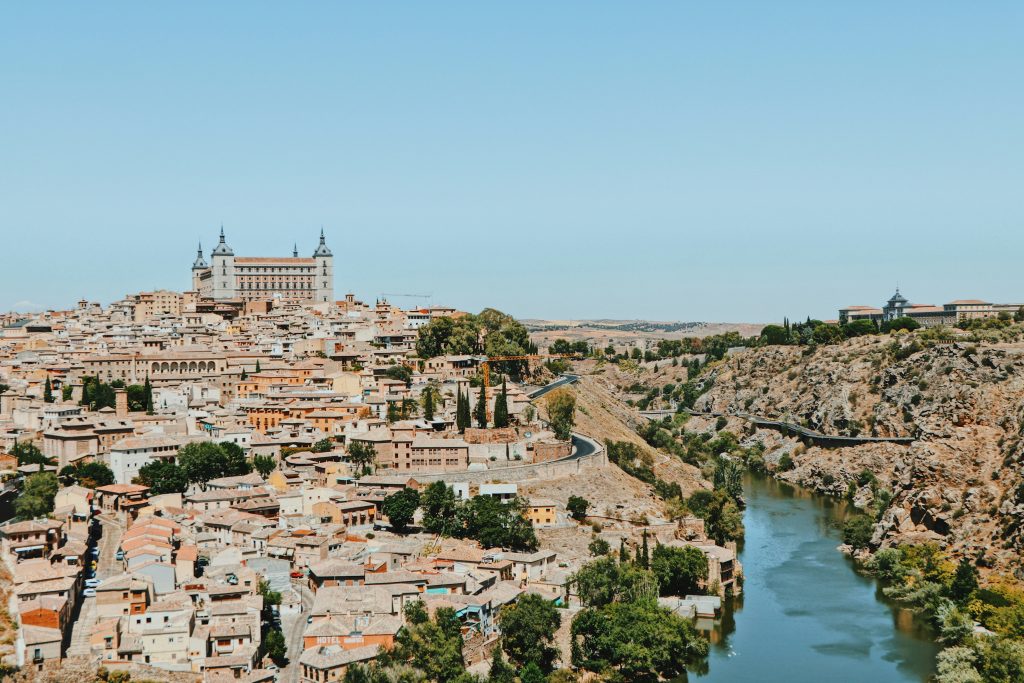
Toledo, often referred to as the City of the Three Cultures, is a fascinating destination that showcases a rich blend of Jewish, Muslim, and Christian influences. The city’s architecture, food, and cultural traditions reflect this unique cultural fusion, offering visitors a glimpse into its diverse historical heritage. As you wander through Toledo’s historic streets, you’ll encounter a wealth of architectural styles, from ancient synagogues and mosques to grand cathedrals. The city’s vibrant cultural scene and historical significance make it a must-visit for those interested in Spain’s multicultural past.
Granada is renowned for its medieval grandeur, with the majestic Alhambra Palace standing as a testament to the city’s rich history. This stunning palace complex, with its intricate Moorish architecture and beautiful gardens, is a highlight of Granada’s cultural landscape. The city’s blend of Arabic and Catholic influences is evident in its traditional architecture and classical Catholic monasteries. Granada’s historical and cultural landmarks offer a deep dive into Spain’s diverse heritage, making it a must-see destination for history and architecture enthusiasts.
Madrid, Spain’s vibrant capital, is a city brimming with artistic, cultural, and culinary experiences. The Royal Palace, with its opulent 17th-century architecture, is a must-visit landmark that offers a glimpse into Spain’s royal history. Plaza Mayor, a bustling square in the heart of the city, is surrounded by charming cobblestone streets, lively music, and a plethora of local boutiques and eateries. Madrid’s dynamic atmosphere, diverse cultural offerings, and world-class cuisine make it a highlight of any Spanish itinerary.
Pamplona is famous for its exhilarating Running of the Bulls festival, an event that draws thrill-seekers from around the world. Held every July, the festival is a unique and adrenaline-pumping experience. If you’re not interested in the bull run, Pamplona’s historic center offers a wealth of architectural treasures, including its Gothic cathedral, 16th-century citadel, and Baroque town hall. The city’s blend of excitement and historical charm provides a memorable travel experience.
Barcelona is a dream destination, known for its beautiful beaches, rich history, and delectable cuisine. The city’s architectural wonders, including Antoni Gaudí’s masterpieces such as the Sagrada Familia and Park Güell, are a testament to its artistic heritage. The bustling La Boqueria market, dating back to the 13th century, offers fresh produce and a taste of local culinary delights. Barcelona’s vibrant food scene and endless tapas options ensure that you’ll never go hungry in this captivating city.
Cordoba stands out for its impressive Moorish architecture and historical significance. The city’s Old Town, a UNESCO World Heritage Site, features the iconic Great Mosque, Roman Cathedrals, and numerous other historical sites. Cordoba’s blend of Islamic and Christian architectural styles provides a profound glimpse into Spain’s diverse cultural history. Whether you’re exploring its historic buildings or enjoying the city’s vibrant atmosphere, Cordoba offers a rich and rewarding travel experience.
Avila, known as The Town of Stones and Saints, is a UNESCO World Heritage Site renowned for its extensive collection of Romanesque and Gothic churches. The city’s well-preserved monasteries, towers, and palaces offer a fascinating journey through Spain’s medieval past. As you explore Avila’s historical sites, you’ll gain a deeper understanding of the city’s rich religious and architectural heritage. Avila’s charming streets and historical landmarks make it a must-visit destination for history and architecture enthusiasts.
Salamanca, another UNESCO World Heritage Site, is a university town celebrated for its Baroque and Renaissance architecture. The city’s lively student population contributes to its vibrant atmosphere, with cozy hangout spots and lively bars adding to its charm. Salamanca’s intellectual and cultural vibrancy, combined with its historical grandeur, creates a unique and enriching travel experience. The city’s blend of academic energy and historical beauty makes it a standout destination in Spain.
Seville is a city full of life and history, with its ancient Roman ruins and vibrant cultural scene offering a rich and varied experience. The Real Alcazar, a stunning example of Moorish architecture, is a highlight of Seville’s historical landscape. The city’s lively music scene, including traditional Flamenco shows, adds to its vibrant atmosphere. Enjoy delicious tapas and explore the city’s charming neighborhoods to fully experience Seville’s unique blend of history and culture.
Cadiz, with its picturesque coastal setting and sunny climate, feels like an island city surrounded by sparkling blue waters. Start your day lounging on Castillo de San Sebastian, then head to La Caleta Beach for a taste of fresh seafood cuisine. Cadiz’s beautiful beaches and relaxed atmosphere make it an ideal destination for a leisurely seaside getaway. Whether you’re soaking up the sun or exploring the city’s charming streets, Cadiz offers a delightful and refreshing escape.
Burgos offers a charming historic center filled with beautiful streets and significant ruins. The Gothic Cathedral of Burgos, a masterpiece of medieval architecture, is a must-see landmark. Stroll along the scenic banks of Fuentes Blancas, the largest park in the province, for a peaceful and picturesque experience. Burgos’s blend of historical charm and natural beauty makes it a delightful destination for exploration and relaxation.
Spain’s diverse landscapes, rich history, and vibrant culture offer a wealth of experiences that promise to enchant any traveler. From bustling cities to serene countryside and stunning beaches, Spain is a destination that will leave you with unforgettable memories.
Booking flights might seem like a simple task, but for luxury travellers, selecting the right flights can make a huge difference in the overall experience. From avoiding long layovers to choosing the best seat, airline, and travel time, every detail can enhance comfort, convenience, and enjoyment.
In this guide, I’ll walk you through what to look for when booking flights, insider tips for smooth connections, and strategies to make your journey as seamless as your destination. Whether you are flying internationally or domestically, planning your flights thoughtfully is key to a luxury experience.
The first step in selecting flights is deciding your ideal travel times and routes. Early morning flights are often quieter, less likely to be delayed, and allow you to arrive at your destination with a full day ahead. Evening flights may offer the chance to sleep on the plane, but sometimes arrive at inconvenient hours.
Direct flights are usually preferred for comfort and convenience, but for many destinations, connecting flights are unavoidable. When considering connecting flights, check the airport layout and minimum connection times. Some international airports require more time between flights to clear security, customs, and immigration.
Insider Tip: When booking connecting flights, aim for at least two hours between connections internationally (or more!) and at least ninety minutes for domestic connections. This reduces stress and allows time for unexpected delays while still keeping your journey efficient.
Airlines vary in service quality, comfort, and reliability. For luxury travellers, factors such as seat comfort, cabin layout, in-flight service, and loyalty program benefits are just as important as the price.
Some airlines are known for exceptional long-haul experiences with lie-flat seats, private suites, and gourmet dining options. Others offer smaller aircraft with fewer passengers and more personalised service. Researching reviews, awards, and traveller feedback can help identify which airline aligns with your preferences.
Insider Tip: Consider airlines that provide complimentary lounge access, expedited boarding, and baggage handling. These small details make a big difference in maintaining a seamless, stress-free travel experience.
Choosing the right seat is crucial for comfort, especially on long-haul flights. Business and first-class cabins offer more space, privacy, and amenities, but even in premium economy, selecting a seat with extra legroom or away from high-traffic areas improves the journey.
Window seats are ideal for uninterrupted views and rest, while aisle seats provide easier access to the lavatory and cabin crew. For connecting flights, selecting consistent seat preferences across flights can enhance comfort and reduce the hassle of rearrangements.
Insider Tip: Some airlines allow early seat selection at the time of booking or through their loyalty programs. This ensures you can secure the best location for your personal comfort and travel style.
When planning flights with connections, the airport and duration of layovers are critical. Airports with clear signage, fast security, and efficient transfer options make connections smoother. Long layovers can be enjoyable if you have access to lounges, spas, or short city tours, but excessively short layovers increase the risk of missed flights.
Insider Tip: If your layover is over six hours, consider booking a day room in an airport hotel or taking a quick city excursion if feasible. This turns potential waiting time into an added experience rather than a frustrating pause.
Checking baggage policies is essential. Different airlines have varying allowances for weight, carry-on items, and fees for additional luggage. For luxury travellers, packing efficiently while maximising available allowances ensures comfort without surprises at the airport.
Insider Tip: For connecting flights on separate airlines, confirm whether baggage is transferred automatically or if you need to collect and recheck it. This is particularly important when travelling internationally with multiple carriers.
Unexpected changes happen, whether due to weather, operational issues, or personal schedules. Booking flexible tickets or those with easy change policies provides peace of mind. Travel insurance is equally important, covering delays, cancellations, and medical emergencies.
Insider Tip: Some premium airlines include complimentary travel protection or flexible ticket options for business and first-class passengers. Always review policies and coverage before booking.
Flight comparison tools, airline apps, and real-time tracking services help optimise your travel experience. Set up alerts for price changes, gate updates, and weather conditions. Many airlines also allow you to check in online, select meals, and request special amenities ahead of time.
Insider Tip: Some apps consolidate multiple carriers and airports, making it easier to plan complex itineraries with multiple connections and destinations.
Luxury travellers can benefit from concierge services and private airport transfers. Some travel advisors can arrange meet-and-greet services, fast-track immigration, and even private lounges. These small touches transform a regular flight into a seamless, relaxing start to your journey.
Insider Tip: If possible, book services that align with your entire journey rather than just individual flights. This creates a continuous luxury experience from departure to arrival.
Selecting flights is not just about getting from point A to point B. It is an integral part of the overall luxury travel experience. By carefully choosing airlines, flight times, seating, and layovers, and by utilising technology and personalised services, your journey becomes smooth, comfortable, and enjoyable.
Paying attention to details such as baggage rules, connecting times, and flexible tickets ensures your trip starts on the right note. For luxury travellers, planning flights thoughtfully is the first step in creating a seamless, unforgettable journey.
When flights are arranged with care and insider knowledge, even the journey itself becomes part of the extraordinary experience.
When it comes to tropical luxury escapes, Bali and Bora Bora are two of the most popular destinations in the world. Both promise turquoise waters, stunning beaches, and world-class resorts, but they offer very different experiences. Choosing between the two comes down to what kind of journey you want to have, the pace of your holiday, and the type of cultural and natural environment that resonates with you.
This guide explores the key differences between Bali and Bora Bora, helping you make an informed decision for your next luxury getaway. Whether you are seeking adventure, relaxation, cultural immersion, or pure indulgence, understanding the nuances of each destination ensures your trip is seamless and memorable.
Bali is an Indonesian island that offers a mix of beaches, lush landscapes, rice terraces, volcanoes, and rich cultural heritage. It is a destination where luxury is blended with authenticity. Resorts are often tucked into jungle settings, offering privacy, infinity pools, and wellness programs such as yoga and spa retreats.
One of Bali’s highlights is its cultural immersion. Guests can visit Hindu temples, participate in traditional ceremonies, or explore local artisan villages. The island also offers a wide variety of dining options, from beachfront seafood to Michelin-style fine dining experiences.
Bali is perfect for travellers who enjoy variety. You can spend mornings hiking to waterfalls or volcano summits, afternoons exploring vibrant markets, and evenings enjoying world-class spa treatments. For families or multi-generational groups, Bali also provides villas with multiple bedrooms, private chefs, and family-friendly activities.
Secret to know before booking: Bali has a rainy season from November to March. Booking during the dry season ensures sunny days and calm seas, which is ideal for both relaxation and outdoor excursions.
Bora Bora is a small island in French Polynesia, known for its iconic overwater bungalows and striking turquoise lagoon. It is often described as a paradise for honeymooners and couples seeking privacy, tranquility, and dramatic scenery.
Bora Bora’s luxury resorts focus on water-based experiences. Snorkelling with tropical fish, paddleboarding in crystal-clear lagoons, and diving in coral gardens are at the top of the list. The island’s beauty is unmatched, with the majestic Mount Otemanu rising above the calm waters, creating picture-perfect vistas from almost every viewpoint.
The pace in Bora Bora is slower and more intimate. The emphasis is on unwinding, enjoying the scenery, and indulging in spa treatments and private dining experiences. For many, Bora Bora is about romance and serenity rather than adventure and cultural exploration.
Secret to know before booking: Bora Bora is remote and flights are limited. Planning well in advance ensures the best overwater villas and seamless transfers from the airport to your resort.
Bali is relatively easy to reach from major cities in Asia, Australia, and Europe with multiple international flights arriving daily. Once there, domestic flights, private transfers, and taxis make it convenient to explore different parts of the island.
Bora Bora, in contrast, requires a long-haul international flight to Tahiti, followed by a short domestic flight and boat transfer to the island. While this extra travel can be part of the adventure, it is important to plan carefully to avoid travel fatigue.
For travellers looking for a shorter travel time, Bali offers convenience without compromising luxury. Those who want a truly remote, secluded paradise may find Bora Bora worth the journey.
Bali offers a wide range of experiences beyond the beach. Adventure seekers can go whitewater rafting, surf world-class waves, or explore volcanic landscapes. Culture enthusiasts can attend traditional dance performances or take cooking classes. Wellness lovers have access to yoga retreats, meditation programs, and holistic spa treatments.
Bora Bora’s experiences are predominantly centered on the water. Lagoon tours, shark and ray feeding excursions, private yacht charters, and romantic dinners by the water define the pace of the island. There are hiking options, but they are limited compared to Bali.
Choosing between the two often comes down to what you want most from your holiday. Bali is dynamic and multi-dimensional, while Bora Bora is serene, intimate, and visually breathtaking.
While both destinations offer luxury options, Bali generally offers more variety in terms of accommodations and experiences. You can find private villas, boutique resorts, and high-end hotels that cater to different budgets while still offering exceptional service.
Bora Bora tends to be more expensive overall due to its remote location and the high-end nature of its resorts. Overwater bungalows and exclusive resorts come at a premium, and dining and activities can add up quickly. However, for travellers seeking a once-in-a-lifetime luxury experience, the price is often worth the exclusivity and breathtaking surroundings.
Bali is best visited during the dry season from April to October when the weather is sunny and humidity is lower. Bora Bora’s best months are May to October, when the skies are clear, the water is calm, and rainfall is minimal.
Timing your trip can make a significant difference in your experience. Avoiding peak tourist times ensures more privacy, better availability, and a more relaxed atmosphere.
Both Bali and Bora Bora offer incredible luxury travel experiences, but they cater to different desires. Bali is dynamic, culturally rich, and versatile, perfect for travellers who want a mix of adventure, culture, and wellness. Bora Bora is secluded, romantic, and visually stunning, ideal for those seeking pure relaxation, romance, and tropical beauty.
The best choice depends on your priorities. Consider travel time, pace, activities, and your personal vision of a luxury escape. Either way, both destinations promise unforgettable moments, indulgent comfort, and memories that will last a lifetime.
Luxury safaris have a reputation for being rugged or adventurous, but first-time guests often discover something very different. Today’s safari experiences are refined, comfortable, and deeply immersive. The combination of breathtaking wildlife, stunning landscapes, and personalised service creates journeys that are both thrilling and effortless.
Choosing the right lodge is key to this experience. A carefully selected property can transform a safari from a memorable trip into a truly seamless, once-in-a-lifetime journey.
This guide will help first-time safari travellers understand what to expect, how to select the right lodge, and why luxury safaris are more accessible and comfortable than ever before.
Modern safari lodges are designed to blend comfort with the excitement of the wild. Many properties feature elegant accommodations, private decks with views of the plains, and spacious suites with ensuite bathrooms.
Meals are thoughtfully prepared and can be enjoyed in private settings, whether in the lodge, on a viewing deck, or even out in the bush. There is no need to compromise on quality or convenience while on safari.
Every detail is designed to feel effortless. From evening fires with panoramic views to uninterrupted game drives, the goal is to make the experience immersive without sacrificing comfort.
One of the highlights of a luxury safari is the game drive. These excursions are often led by highly experienced guides who know the animals, landscapes, and cultural nuances intimately.
Unlike mass safaris, luxury experiences prioritise small groups, personalised itineraries, and flexible schedules. Guests are free to linger at a watering hole, pause to photograph wildlife, or follow a pride of lions without feeling rushed.
Personalised experiences go beyond game drives. Some lodges offer bush walks, private dinners under the stars, birdwatching excursions, or visits to local conservation projects. Every activity is designed to enhance the connection between guests and the environment.
Not all safari lodges are created equal. Each property has a unique personality, style, and focus. Some cater to families, offering larger suites and kid-friendly programming. Others emphasise romantic seclusion for couples or adventure-focused itineraries for small groups.
Choosing a lodge that aligns with your expectations ensures that every moment feels comfortable and natural. Location matters too. A lodge set in the heart of a wildlife-rich area offers more sightings and immersion, while one on the periphery may provide privacy and tranquility.
An experienced travel advisor can match travellers with properties that perfectly fit their needs, ensuring a seamless and memorable stay.
One of the most common surprises for first-time guests is how flexible a luxury safari can be. Guests can shape the pace of their days, choose private or group excursions, and decide when to rest or explore.
This freedom allows for a journey that feels personal rather than prescribed. It also ensures that travellers are never rushed and can fully enjoy each moment, whether observing a herd of elephants at dawn or relaxing by the pool at midday.
Timing is critical on safari. Wildlife viewing varies depending on the season and region, and a well-planned trip will consider these factors carefully.
Experienced advisors ensure guests visit the right areas at the right time, maximising wildlife encounters while also considering climate and lodge availability. This kind of insight is invaluable for first-time safari travellers who may not yet be familiar with the nuances of each destination.
Luxury safaris benefit greatly from the guidance of an experienced travel advisor. Advisors can help secure the best lodges, schedule private guides, and coordinate transfers seamlessly.
We also anticipate potential challenges, such as sudden weather changes or lodge closures, and adjust the itinerary proactively. This behind-the-scenes support ensures your experience is smooth from the moment the journey begins to the moment it ends.
If a luxury safari is on your travel wish list for 2026, early planning is essential. Popular lodges fill quickly, and securing the best suites and preferred guides requires foresight.
Starting the conversation early also allows time to customise the experience. From private dinners in the bush to curated wildlife excursions, every element can be designed to your preferences.
A well-planned safari doesn’t just meet expectations. It surpasses them, providing memories that last a lifetime.
👉 Explore Luxury Safari Options
When planning a luxury journey, the right luxury hotel is often the decision that shapes everything else. It influences how rested you feel, how easily your days flow, and how connected you feel to the destination. Yet one of the most common assumptions in luxury travel is that a five-star rating alone guarantees the right experience.
In reality, two hotels with the same rating can feel completely different once you arrive. Service style, atmosphere, location, and even which room you are given can dramatically affect how a stay feels. Understanding these details is what turns a hotel from simply impressive into genuinely memorable.
Choosing the right luxury hotel is less about labels and more about alignment.
Star ratings provide a helpful starting point. They signal a certain level of comfort, facilities, and service. What they do not capture are the subtleties that matter most to experienced travellers.
Star systems rarely reflect how intuitive the service feels, how private the property is, or whether the atmosphere is calm, vibrant, or quietly refined. They also do not show how consistent a hotel is across different rooms or seasons.
Luxury is personal. What feels indulgent to one traveller may feel overwhelming or underwhelming to another. A rating cannot account for that.
True luxury tends to feel effortless rather than impressive. It is often noticed in small moments rather than grand gestures.
It might be the way arrival feels smooth and unhurried, or how the room immediately feels calming and well thought out. It could be service that anticipates needs naturally, without interruption or formality.
In the best hotels, guests never feel as though they are adapting to the property. Instead, the experience adjusts to them.
These details are rarely highlighted in marketing materials, yet they are what guests remember most.
Location plays a much bigger role in the overall experience than people often realise. Two luxury hotels in the same destination can offer completely different stays based purely on where they are situated.
One property might be ideal for walking, exploring, and feeling immersed in local life. Another may be designed as a retreat, offering quiet surroundings and a sense of escape.
Neither is better than the other. The key is choosing what suits the purpose and pace of the trip. A short city stay may benefit from being central, while a longer journey might call for more space and separation.
The wrong location can quietly affect how enjoyable a stay feels.
Within the same hotel, room experiences can vary significantly. Differences in light, views, privacy, noise levels, and proximity to shared areas all matter.
The rooms that offer the best overall experience are often limited, and they are usually secured early. Knowing which categories consistently deliver and which are best avoided can make a noticeable difference.
This is where experience and trusted relationships are invaluable. It allows for informed recommendations rather than educated guesses.
Service style is one of the most important and most overlooked aspects of hotel selection.
Some luxury hotels are highly formal, with structured service and frequent interaction. Others focus on warmth and discretion, offering support when needed while allowing guests more independence.
There is no right or wrong approach. What matters is alignment. Travellers who value privacy may feel overwhelmed in a highly formal setting, while those who enjoy attentive service may feel overlooked in a more hands-off environment.
Understanding this nuance helps ensure guests feel comfortable rather than constantly adjusting.
Scale also plays an important role in shaping the experience.
Boutique luxury properties often feel more personal and residential. They tend to offer a quieter atmosphere and a stronger sense of connection to their surroundings.
Larger luxury hotels usually provide more facilities, dining options, and a sense of occasion. They can be ideal for travellers who enjoy variety and energy.
Both can be exceptional. The decision depends on the experience you want, and in some journeys, combining both styles works beautifully.
Choosing the right luxury hotel is not about selecting the most recognisable name. It is about finding the property that fits naturally with the traveller and the journey.
Experience allows for honest insight into how hotels truly operate, not just how they present themselves. It brings awareness of seasonal differences, room nuances, and service consistency. It also provides access to trusted partners who share reliable, up-to-date information.
This level of understanding often makes the difference between a stay that looks beautiful and one that feels seamless.
Hotels should never be chosen in isolation. They need to support the overall flow of the trip, from flight arrival times to daily activities and moments of rest.
When accommodation is selected early and thoughtfully, the entire journey feels more cohesive. Days unfold more naturally, transitions feel smoother, and the experience feels intentional rather than assembled.
This is when accommodation truly enhances travel rather than simply supporting it.
Luxury travel works best when decisions are made with care and clarity. Choosing the right hotel is one of the most impactful ways to elevate a journey, and it deserves thoughtful attention.
With the right guidance, the process becomes calmer, more enjoyable, and far more rewarding.
Enquire About the Right Stay for You
The festive season is a time for connection, celebration, and creating cherished memories.
But for many, they also come with endless to-do lists, frantic preparations, and the stress of hosting large gatherings.
Why not skip the hassle and opt for an unforgettable holiday getaway?
Imagine yourself exploring charming Christmas markets in Europe, lounging on a sun-drenched beach, or ringing in the New Year aboard a luxurious cruise ship instead of fussing over the perfect tablescape.
Traveling during the holiday season offers unparalleled joy, relaxation, and the opportunity to embrace global traditions.
We’ve also highlighted below some of our favourite and most magical destinations and experiences to inspire your festive escape.
Hosting a holiday gathering often involves weeks of preparation—menu planning, decorating, and ensuring every guest has a great time.
Travel frees you from these responsibilities, allowing you to enjoy the season without the logistical headaches. Someone else can worry about dinner while you focus on enjoying the moment.
Traveling offers a unique opportunity to break away from routine and craft new traditions with loved ones. Instead of cooking all day, you could spend Christmas Eve strolling through a snow-dusted town square or snorkeling in crystal-clear waters. These experiences become the stories you’ll cherish for years.
Shared travel experiences bring families and friends closer in ways a dinner party can’t. Whether it’s marveling at ancient ruins, trying a new cuisine, or simply relaxing together in a luxurious setting, travel creates bonds that deepen relationships.
For many, the holiday season can be overwhelming, with societal pressure to meet expectations. A holiday trip provides a serene escape from consumerism, cold weather, or even family dynamics that might feel challenging at home.
When you travel for the holidays, especially to luxury destinations, you don’t just enjoy the finer things—you revel in them. From five-star accommodations to private chefs and curated experiences, the holiday season becomes a time to pamper yourself and celebrate in style.
Looking for inspiration?
Here are some destinations and experiences perfect for a holiday getaway, each offering unique ways to celebrate the season.
Step into a winter wonderland with a trip to Europe’s iconic Christmas markets.
Trade city streets for snow-covered peaks with a winter retreat to the Rocky Mountains.
If you prefer palm trees to pine trees, escape the winter chill and celebrate the holidays in paradise.
Set sail for a holiday season filled with luxury and adventure aboard a premium cruise ship.
For a more immersive holiday experience, explore destinations that celebrate the season with unique cultural traditions.
To ensure your holiday getaway is everything you dream of, consider these tips:
Traveling during the holiday season transforms this special time of year into something extraordinary. Whether you’re marveling at European castles decked in holiday lights or feeling the sand between your toes in an exotic locale, holiday travel offers a richness that no traditional gathering at home can rival.
So, why settle for a stressful holiday at home when you can create cherished memories on the trip of a lifetime?
Let this year be the one you ditch the hosting duties and embrace the joy of adventure. With so many incredible destinations and luxurious experiences awaiting, the hardest part will be deciding where to go first.
Ready to plan your festive escape? Now is the time to start planning for this year's festive season!
In the ever-expanding world of hospitality, boutique hotels stand out as a luxurious yet intimate alternative to large hotel chains. Characterized by their smaller size, personalized service, and attention to detail, these properties offer an experience that goes beyond just providing a place to sleep. They cater to the modern traveler who values individuality and a strong connection to the local environment. Whether you're planning a romantic getaway, a business trip, or a cultural exploration, boutique hotels can provide an enriching and memorable experience that will elevate your journey.
Most boutique hotels are designed to host anywhere from 10 to 100 rooms, which allows for an intimate and immersive environment. The smaller scale ensures a high level of personalized service that guests may not find at larger, more commercial properties. Every element, from the design to the amenities, is carefully curated to reflect the hotel's location and ethos, ensuring that guests feel like they're truly part of the destination. Instead of a generic stay, boutique hotels offer a vacation where even the hotel itself becomes part of the adventure.
What sets boutique hotels apart is their ability to embody the unique character of their location. Whether you're staying in the heart of a bustling city or in a more remote, serene environment, the design of a boutique hotel is typically inspired by the local culture, geography, and history. This translates to thoughtful touches such as locally sourced decor, bespoke furniture, and regional culinary delights. As the interior decor evolves with the owner's preferences and cultural influences, these hotels create an ever-changing yet rooted ambience.
The concept of the boutique hotel can be traced back to the 1980s when one of New York City's most stylish hotels was compared to a boutique retail store. This comparison was born out of the hotel’s carefully designed, intimate spaces, which prioritized individuality and uniqueness, much like boutique shops that offer a specialized and curated experience. Today, the idea has flourished into a thriving sector in the hospitality industry, known for its attention to detail and its ability to make guests feel at home while still delivering the luxury experience that travelers crave.
Boutique hotels cater to a wide range of travelers, regardless of age or background. From young adventurers and digital nomads to older generations seeking new experiences, these hotels attract people with a love for exploration and curiosity about the world. While boutique hotels often appeal to the younger generations due to their trendiness and Instagram-worthy aesthetics, they also offer an appealing refuge for those seeking personalized luxury and cultural authenticity. These properties provide a break from the generic, one-size-fits-all approach of larger chains and deliver a truly unique stay.
Whether it's for business or pleasure, solo trips or family vacations, boutique hotels appeal to travelers who seek more than just a place to sleep. They are for those who want to be surrounded by creative spaces that reflect the culture of the destination. These travelers seek connection—not only to the place but to the local community and the story behind the hotel itself.
Although every boutique hotel is different, there are common threads that tie these properties together. First, expect to find locally sourced food and beverage options. Many boutique hotels partner with nearby farms, markets, and restaurants to deliver an authentic dining experience that celebrates regional flavors. The architecture and interior design will often reflect the aesthetics of the local area as well, whether through traditional building materials or modern interpretations of cultural motifs.
The attention to detail is another hallmark of boutique hotels. Every flower arrangement, piece of furniture, and artwork is chosen to create a cohesive narrative that resonates with the hotel's overall theme. These seemingly small touches can drastically transform the ambiance, helping to create a stay that is rich in both comfort and character. Additionally, boutique hotels are often located in culturally significant areas, surrounded by local markets, shops, and attractions. This makes them an ideal choice for travelers who want to explore the local scene and immerse themselves in the destination’s lifestyle.
Boutique hotels represent the perfect blend of luxury, personalization, and cultural immersion. They are designed for travelers who want more than just a place to rest their heads. The custom-designed interiors, thoughtful amenities, and intimate atmosphere make these hotels destinations in and of themselves. Whether it's the exquisite artwork that lines the hallways or the chef-prepared meals that celebrate local ingredients, staying at a boutique hotel offers an experience that is as unique as the traveler.
As one of the fastest-growing sectors in the hospitality industry, boutique hotels are redefining the way we think about travel. The attention to detail, impeccable service, and immersive environments ensure that guests come back again and again, seeking to relive the magical experience they had the first time.
If you’re ready to explore the world in a way that is deeply personal and entirely unforgettable, consider booking your next stay at a boutique hotel. We can help you navigate the many options and find the perfect match for your style and preferences.
One of the questions I hear most often from clients is, “How early should we start planning our luxury trip?” The truth is, it depends on the type of journey you’re dreaming of. However, in most cases, earlier is always better.
Planning ahead is not about locking yourself into rigid decisions. It’s about having options, gaining access to the best properties and experiences, and creating a seamless, enjoyable journey. Luxury travel in 2026 rewards thoughtful preparation rather than last-minute arrangements, and starting early allows every element of your trip to fall into place naturally.
This guide will help you understand realistic planning timelines, why early preparation matters, and how thoughtful planning enhances the overall travel experience.
Luxury travel encompasses a wide range of experiences, each with its own ideal planning window.
For high-demand destinations, peak seasons, and exclusive-use accommodations such as private villas and safari lodges, planning 9 to 18 months in advance is often necessary. Properties that offer the most privacy, best views, or personalised service have limited availability, and securing these early ensures you get exactly what you want.
For more flexible travel options, such as boutique city stays or off-season retreats, a shorter planning window can still work. But even in these cases, early planning allows for careful consideration of details rather than rushed decisions.
When planning is done early, it isn’t just logistics that benefit. The quality of the experience improves in many ways.
Early preparation gives you the chance to select the best rooms, secure private guides, and book exclusive excursions. It also provides space to tailor every aspect of your journey to your personal preferences. You can think about the rhythm of your days, the timing of meals, and the balance between exploration and relaxation.
This foresight allows you to design a trip that feels effortless and enjoyable from start to finish rather than reactive and pieced together.
In luxury travel, availability is often the limiting factor, not price. Whether it’s a sought-after safari lodge, a villa with a spectacular ocean view, or a limited-seat cultural experience, the best options are booked first.
By planning ahead, you increase your access to these high-demand experiences. It’s also easier to coordinate multiple elements of a trip, such as flights, transfers, and activities, when you have time to plan rather than waiting until the last minute.
Beyond practical considerations, early planning provides peace of mind. Knowing that your trip is thoughtfully arranged allows you to relax and enjoy the anticipation without stress.
You can focus on the excitement of the journey rather than worrying about availability, logistics, or whether every detail will fall into place. In many ways, this sense of calm is one of the greatest luxuries of all.
Some travellers worry that planning early will limit flexibility. The truth is, careful planning actually allows for more flexibility.
When the main elements of a journey are arranged in advance, you can experiment with optional experiences, excursions, or adjustments without risking the core aspects of your trip. You are free to explore, try new things, or take a slower pace, knowing that the foundation of your journey is secure.
Ideal planning window: 9 to 15 months in advance
Safari remains one of the most sought-after luxury travel experiences, especially in destinations such as Botswana, Kenya, Tanzania, South Africa, Rwanda, and Zambia. Many of the finest lodges are small, exclusive, and intentionally limit the number of guests to preserve the quality of the experience.
Prime wildlife seasons, private-use villas, family-friendly safari houses, and top guides are often secured well in advance. Once those spaces are booked, alternatives usually mean changing dates, locations, or the overall level of exclusivity.
Planning early allows us to secure the right camp in the right region at the right time, whether that’s the Great Migration in Tanzania and Kenya, green season safaris in Botswana, or gorilla trekking in Rwanda. It also ensures flights, transfers, and lodge combinations flow seamlessly.
Ideal planning window: 6 to 12 months in advance
Italy continues to be one of the most requested destinations year after year, particularly for regions such as Tuscany, the Amalfi Coast, Lake Como, Sicily, and Puglia. Demand is especially high for boutique hotels, private villas, and well-located properties with character and charm.
Planning ahead is essential for securing the most desirable accommodations, private guides, drivers, and sought-after experiences like vineyard visits, cooking sessions, and after-hours cultural access. This is particularly important for travel during spring, summer, and early autumn.
Early planning also allows for better pacing. Rather than rushing between cities, we can design an itinerary that feels relaxed, balanced, and deeply immersive, with time to enjoy each place properly.
Ideal planning window: 9 to 12 months in advance
Japan has seen extraordinary growth in luxury travel demand, especially during cherry blossom season in spring and autumn foliage season later in the year. Destinations such as Tokyo, Kyoto, Hakone, Kanazawa, and the Japanese Alps book out far earlier than many travellers expect.
Traditional ryokans, luxury boutique hotels, and highly regarded guides often have very limited availability. Once these are full, the experience can feel quite different.
Planning well in advance allows us to secure the right accommodations, arrange knowledgeable private guides, and coordinate experiences such as tea ceremonies, culinary experiences, and scenic rail journeys without compromise.
Working with an experienced travel advisor makes early planning even more effective. An advisor can identify properties and experiences that suit your style, secure preferred dates, and anticipate challenges before they arise.
Rather than spending hours researching options or worrying about logistics, you can rely on guidance that aligns with your goals and allows the journey to feel effortless. This kind of support is particularly valuable when arranging complex trips such as multi-destination journeys, exclusive-use stays, or seasonal travel.
Luxury travel rewards foresight and thoughtful preparation. Starting early doesn’t mean committing to every detail immediately. It means creating space for options, ensuring access to the best experiences, and designing a journey that feels effortless.
The earlier you begin planning, the smoother your trip will feel, and the more fully you can enjoy each moment.
Start Planning Your Luxury Journey Today
Madrid, the vibrant capital of Spain, is one of Europe's most culturally rich and visually stunning cities. A harmonious blend of history and modernity, this sprawling metropolis offers visitors a fascinating array of experiences. From breathtaking art collections to expansive parks, world-class shopping, and lively plazas, Madrid has something for everyone, ensuring that each visit is unique and memorable.
Whether you're an art lover, a history enthusiast, or someone who enjoys the great outdoors, Madrid’s mix of old-world charm and contemporary attractions ensures that you will be both enchanted and entertained. This detailed guide highlights the best Madrid has to offer, while also emphasizing how a professional travel planner can help you maximize your experience, curating a personalized itinerary tailored to your interests.
Madrid’s most renowned museum, the Prado, is home to an awe-inspiring collection of European art, with works spanning the Spanish, Italian, and Flemish traditions. It’s a must-see destination for art lovers, offering masterpieces from the likes of Velázquez, Goya, and El Greco. More than just a repository of art, the Prado is an immersive experience in the evolution of European painting, from the Renaissance to the 19th century. With so much to see, a guided tour organized by a knowledgeable travel planner can help you navigate the museum’s vast collections, ensuring you don't miss any of the highlights.
Dating back to the early 1600s, Plaza Mayor is one of Madrid’s most historically significant public squares. Encircled by elegant architecture, this expansive renaissance-era plaza once hosted bullfights, markets, and royal celebrations. Today, it remains a focal point of city life. Take a stroll through its arcades, enjoy a coffee at one of its many cafes, or simply sit and admire the stunning surroundings. A professional travel planner can recommend the best times to visit and suggest nearby historical sites that complement your exploration of Madrid's rich past.
El Retiro Park is Madrid's answer to Central Park—a sprawling green space offering a peaceful escape from the hustle and bustle of city life. Ideal for families, the park features everything from formal gardens, such as the intricate rose garden, to playgrounds and scenic paddleboat rides on the park's central lake. Its impressive Crystal Palace and numerous sculptures also make it a great destination for art and history lovers. For a personalized experience, a travel planner can arrange a guided tour of the park, highlighting its most scenic and culturally important spots.
Puerta del Sol is one of Madrid's most bustling and iconic landmarks. Known as the kilometer zero of Spain’s road network, this square is a crossroads of history and modernity, where the vibrant life of the city converges. From the emblematic clock tower, where locals gather for the New Year’s Eve countdown, to the lively nightlife, Puerta del Sol offers visitors a true taste of Madrid’s dynamic energy. A travel planner can help you explore this area more deeply, pointing out historical landmarks, nearby attractions, and the best places to enjoy Madrid's famous nightlife.
Once home to Spanish royalty, Madrid's Royal Palace is an architectural marvel with over 3,000 rooms, making it one of the largest palaces in Europe. While some areas remain closed to the public, many rooms are open for viewing, offering glimpses into the luxurious lifestyles of Spain’s former monarchs. The royal armory, filled with historical weapons and armor, and the stunning gardens surrounding the palace make this a must-see attraction. A travel planner can arrange a private or group tour, ensuring you have access to the most significant and breathtaking parts of the palace.
This vast park is more than just a green space; it’s a cultural and historical treasure. With features such as the Crystal Palace and the Velázquez Palace, which host art exhibitions, El Retiro offers a combination of outdoor recreation and artistic enrichment. From leisurely boat rides on the park’s lake to walks through its many gardens, El Retiro is a perfect escape from the city’s hustle. A travel planner can help you uncover hidden gems within the park, ensuring you get the most out of your visit.
Gran Via is the heartbeat of Madrid’s shopping and entertainment districts. Known for its grand architecture and historic significance, this bustling street offers high-end shopping, cozy cafes, and some of the best theatres in the city. At night, it transforms into a lively hub for nightlife. From historic theatres to modern cinemas, and some of the city’s trendiest nightclubs, Gran Via offers a mix of the old and new. To fully enjoy the area, a professional travel planner can organize a shopping tour or reserve seats at one of the famous local theatres.
Casa de Campo is Madrid's largest park, offering an impressive mix of recreational facilities, including an amusement park, a zoo, and miles of walking and cycling trails. It’s an ideal destination for families or anyone who loves the outdoors. Cable car rides offer breathtaking views of the Madrid skyline and surrounding countryside. A travel planner can help you design an itinerary that maximizes your time in the park, ensuring you don’t miss any of its attractions.
The Queen Sofia Arts Center is one of Madrid's most famous modern art museums, housing thousands of works from the 20th century, including iconic pieces by Salvador Dalí and Pablo Picasso. The museum is an excellent destination for those interested in contemporary art movements, with its most famous piece being Picasso’s masterpiece, Guernica. For a more enriching experience, a travel planner can arrange a guided tour to help you understand the context and history behind these groundbreaking works.
Considered one of Madrid's most famous plazas, Plaza de Cibeles is home to the magnificent Cibeles Fountain and the grand neoclassical buildings that surround it. It's a perfect spot to take in Madrid’s architectural beauty and to experience its vibrant street life. Whether you're stopping by to take photos or delving deeper into the history of the area, a travel planner can provide insight into the historical significance of the plaza and recommend nearby attractions.
Madrid offers an unparalleled blend of history, culture, and modernity, ensuring that every visitor finds something they love. With so much to see and do, it can be overwhelming to fit it all into one trip. That’s where a professional travel planner can make a difference. By creating a personalized itinerary tailored to your interests, you’ll ensure that your visit to Madrid is not only efficient but also enriching and unforgettable.
Tokyo is electric. It’s a place where centuries-old temples and time-honored traditions live side-by-side with sleek skyscrapers, Michelin-starred ramen shops, and digital art museums that feel like they belong in another galaxy. If you’re dreaming of a trip that blends deep culture with forward-thinking creativity (and a little bit of delicious chaos), Tokyo is your city.
With just four days, you can absolutely scratch beneath the surface—and this itinerary is designed to help you do just that. It’s not about rushing from one photo op to the next. Instead, we’ll slow down, savor, and sink into the rhythm of the city. Here’s how I’d spend four immersive days in Tokyo.
Morning – Senso-ji Temple & Asakusa
Start your Tokyo story in Asakusa. This charming neighborhood is one of the few places where you can really feel the pulse of Edo-period Tokyo. You’ll enter through the iconic red Kaminarimon Gate and walk down Nakamise-dori, a lively pedestrian street packed with little stalls selling everything from handmade rice crackers to yukata robes and painted fans.
At the heart of it all is Senso-ji, Tokyo’s oldest temple. It’s colorful, spiritual, and wonderfully photogenic. Pause for a moment at the incense burner (locals waft the smoke toward themselves for good health and fortune) before exploring the temple’s serene inner garden.
Afternoon – Tokyo Skytree
From old to new—you’ll hop over to the Tokyo Skytree, a marvel of modern design and the tallest structure in Japan. If you’re a sucker for a view (I always am), head up to the observation decks for a panoramic look at the cityscape. On a clear day, you can even spot Mount Fuji in the distance.
Afterward, spend a little time browsing the shops at Solamachi or stop for a matcha parfait at one of the cafés nearby.
Evening – Shinjuku’s Omoide Yokocho
As the neon lights begin to glow, make your way to Shinjuku and discover the tiny, atmospheric alleyway known as Omoide Yokocho—“Memory Lane.” This is Tokyo at its most nostalgic: lantern-lit izakayas where businessmen and creatives rub elbows over skewers of yakitori and cups of sake. It’s gritty in the best way, and the perfect first-night dinner spot to really feel the city.
Morning – teamLab Borderless (or Planets)
If you’re craving something out of this world, the immersive digital art spaces by teamLab are truly unforgettable. Lights, sound, and motion swirl together to create rooms that shift as you move through them. It’s a playground for the senses—and one of those rare places that appeals to everyone, from solo travelers to families with teens.
Afternoon – Ueno Park & Museums
Next up: Ueno Park. It’s a lovely place to walk (especially if you’re visiting during cherry blossom season), but it’s also home to some of Japan’s top museums. My favorite? The Tokyo National Museum—perfect for understanding the cultural foundations of everything you’re seeing around you.
Need a break? Pop into one of the tea houses or grab a quick bite from a food stall.
Evening – Ginza
Dress up a bit for dinner and head to Ginza, Tokyo’s answer to Fifth Avenue. High-end shopping, world-class sushi, elegant cafés—it’s all here. Even if you’re not in the market for a luxury handbag, the people-watching is fabulous. For dinner, consider booking a spot at a sushi counter—you’ll never look at tuna sashimi the same way again.
Morning – Tsukiji Outer Market
You’ve likely heard of the famous Tsukiji Fish Market. While the inner wholesale auctions have moved, the Outer Market is still very much alive—and completely worth your time. Wander through alleys filled with stalls selling grilled scallops, tamagoyaki (Japanese omelet), wagyu skewers, and every kind of seafood imaginable.
This is a great morning to be curious and snack your way through breakfast and lunch!
Afternoon – Imperial Gardens & Akihabara
Head toward the Imperial Palace and stroll through the East Gardens. It’s a welcome moment of calm in the city. From there, shift gears entirely and dive into Akihabara, Tokyo’s buzzing mecca for anime, manga, and electronics. Whether you’re a collector or just curious, it’s a wild, wonderful look into modern Japanese pop culture.
Evening – Shibuya Crossing
Finish the day in one of Tokyo’s most iconic spots: Shibuya Crossing. It’s a sensory overload in the best possible way. You’ll cross with hundreds of others, all lit by the glow of massive LED screens and skyscraper billboards.
Find a rooftop bar (I love the one at Shibuya Scramble Square) to watch the crowds from above, cocktail in hand, and soak in the view.
Morning – Harajuku & Meiji Shrine
There’s no better contrast than waking up in the buzzing streets of Harajuku and then stepping into the forested calm of Meiji Shrine. Start your morning on Takeshita Street—it’s quirky, colorful, and full of fashion-forward boutiques and crepe stands. Then walk through the towering torii gates of Meiji Shrine and let the peaceful path through the trees slow your heart rate.
Afternoon – Shinjuku Gyoen National Garden
Ready for one last moment of beauty and reflection? Spend your afternoon at Shinjuku Gyoen. This vast garden is stunning in every season—cherry blossoms in spring, blazing colors in autumn. It’s a beautiful mix of Japanese and European landscaping, and a lovely spot to picnic or journal a few thoughts from your trip.
Evening – Tokyo Metropolitan Government Building
Your last stop: a free sunset view from the observation decks of the Tokyo Metropolitan Government Building. It’s one final, sweeping look at the city you’ve been exploring, and a perfect place to reflect on all the memories made in just four short days.
Tokyo is a city of contrasts, of calm and chaos, of centuries-old traditions and cutting-edge tech. It’s fast-moving, yes—but also incredibly welcoming, thoughtful, and layered. This four-day itinerary gives you a taste of it all, and like many travelers before you, I suspect you’ll leave already dreaming about coming back.
As always, if you’re ready to plan a Tokyo journey that’s designed just for you—with a little extra magic and a lot less stress—I’d love to help you craft something unforgettable.
Imagine stepping off a boat or seaplane onto a pristine beach on a private island where your every need is anticipated, the pace is slow, and your surroundings are picture-perfect. That is the magic. For luxury travellers in 2026, private islands offer exclusivity, personalised service, and an opportunity to completely unwind.
From turquoise waters to untouched landscapes and luxurious resorts, these islands are ideal for honeymooners, families, or anyone craving a truly private escape. This guide highlights some of the most spectacular private islands around the world, explains which offer all-inclusive experiences, and shares tips on the best times to visit for ideal weather and experiences.
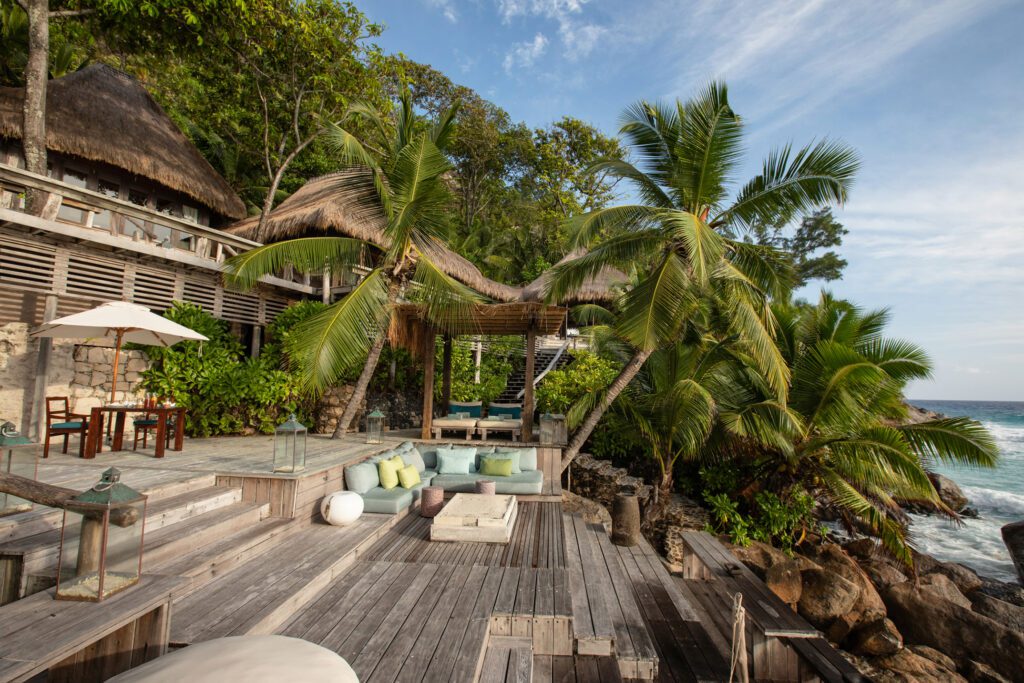
North Island is a small, exclusive retreat in the Seychelles, famous for its ultra-luxury villas, stunning beaches, and sustainability-focused philosophy. The island offers total privacy with only 11 villas, each designed to blend into the natural environment.
Guests can enjoy guided nature walks, snorkeling in pristine reefs, and spa treatments overlooking the Indian Ocean. North Island is perfect for travellers seeking seclusion without sacrificing comfort or service.
All-inclusive: North Island offers all-inclusive packages that cover gourmet dining, excursions, and certain wellness treatments.
Best time to travel: April to May and October to November provide warm weather, calm seas, and fewer crowds. These shoulder seasons are ideal for diving, snorkeling, and exploring the island.
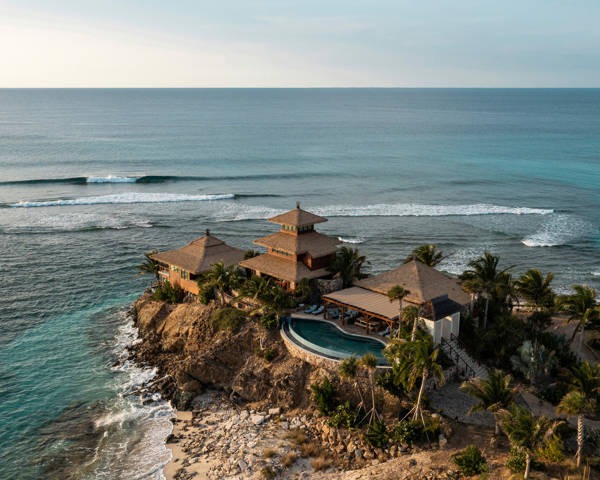
Necker Island, owned by Sir Richard Branson, is one of the most famous private islands in the Caribbean. This 74-acre island is a playground for luxury travellers seeking adventure, relaxation, and exceptional service.
The villas are elegant and modern, with stunning ocean views. Activities include sailing, kite surfing, tennis, and guided wildlife tours around the island. Necker Island has a lively yet intimate atmosphere, ideal for families, groups, or couples.
All-inclusive: The island offers all-inclusive stays, covering gourmet meals, non-alcoholic beverages, and most activities. Guests can opt to include premium wines and private experiences as part of their package.
Best time to travel: December to April is the peak dry season, offering sunny skies, calm seas, and warm temperatures. This is perfect for beach days, watersports, and island excursions.
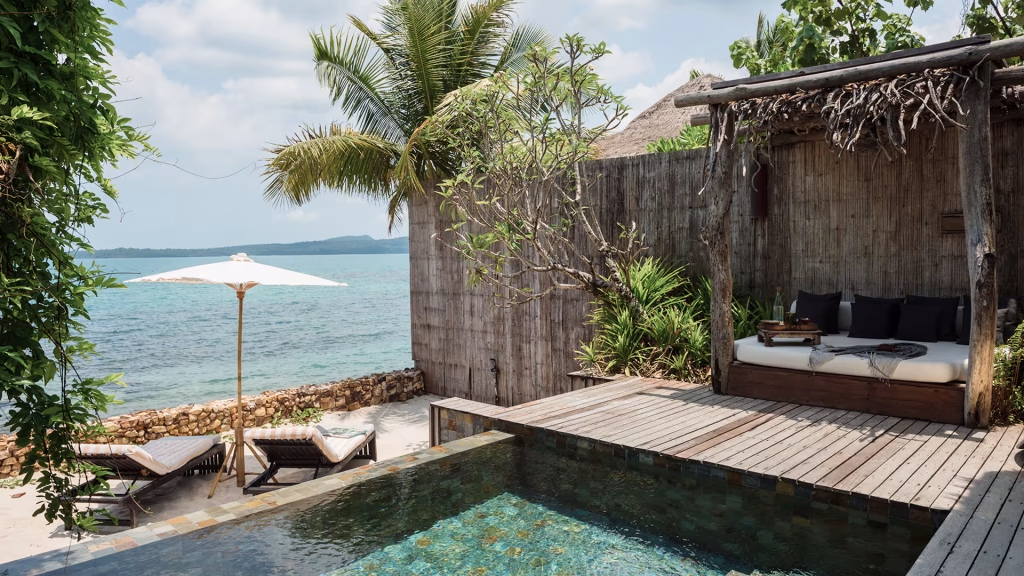
Song Saa is located in Cambodia’s Koh Rong archipelago and offers a combination of luxury, sustainability, and serene surroundings. The resort features overwater villas and jungle villas with private pools, creating a sense of complete seclusion.
Guests can explore coral reefs, enjoy guided kayaking tours, or participate in wellness programs that emphasize mindfulness and relaxation. Song Saa is ideal for couples seeking romance and tranquility.
All-inclusive: Song Saa offers full-board packages including breakfast, lunch, dinner, and certain excursions. Personalized wellness programs can be added to the stay.
Best time to travel: November to April provides warm, dry weather, perfect for water activities, snorkeling, and exploring the surrounding islands.
Little Palm Island is a private island resort in the Florida Keys, known for its tropical gardens, sandy beaches, and tranquil ambiance. The island is accessible only by boat or seaplane, which adds to its exclusivity.
Villas and bungalows are sophisticated and provide privacy with outdoor soaking tubs and private terraces. Activities include sailing, paddleboarding, snorkeling, and spa treatments. Dining is focused on fresh seafood and locally inspired cuisine.
All-inclusive: Little Palm Island offers packages that include breakfast, dinner, and select activities. Guests can also customize experiences and dining preferences.
Best time to travel: December to May is the optimal season with warm temperatures, calm waters, and minimal rainfall. Hurricane season from June to November is best avoided for safety and comfort.
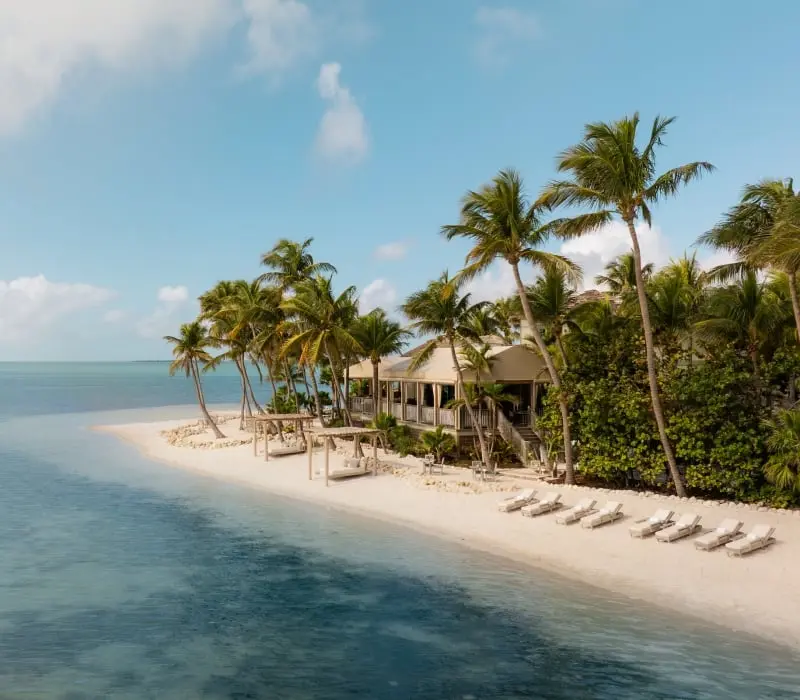
Fregate Island is an ecological paradise with luxury villas nestled among lush tropical gardens. It offers 16 private villas, each with a private pool and direct beach access, ensuring complete privacy.
The island’s experiences include guided nature walks, snorkeling, diving, and excursions to explore endangered wildlife. Guests can also enjoy spa treatments, fine dining, and private picnics on deserted beaches.
All-inclusive: Fregate Island offers all-inclusive packages covering meals, beverages, selected activities, and guided tours. Private excursions can be arranged for an additional fee.
Best time to travel: April, May, October, and November are ideal months, offering calm seas, warm temperatures, and less crowded conditions.
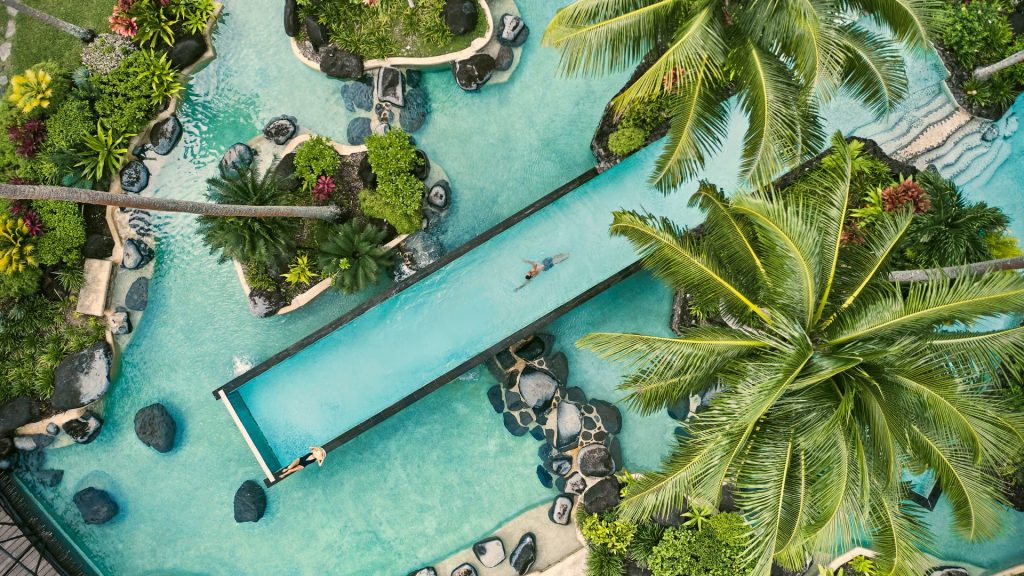
Laucala Island in Fiji is a legendary private island, famous for its ultra-luxury resorts, incredible service, and a wide array of activities. The island is set against lush rainforests, volcanic mountains, and pristine beaches.
Guests can enjoy golf, horseback riding, diving, sailing, and private excursions to explore the island’s natural beauty. The villas are expansive, with private pools, personal staff, and tailored experiences for every guest.
All-inclusive: Laucala offers all-inclusive packages that cover meals, beverages, activities, and some spa treatments. Fully customized packages are available for families or large groups.
Best time to travel: May to October offers the best weather with sunny skies, cooler temperatures, and calm seas. Rainy season should be avoided for optimal island enjoyment.
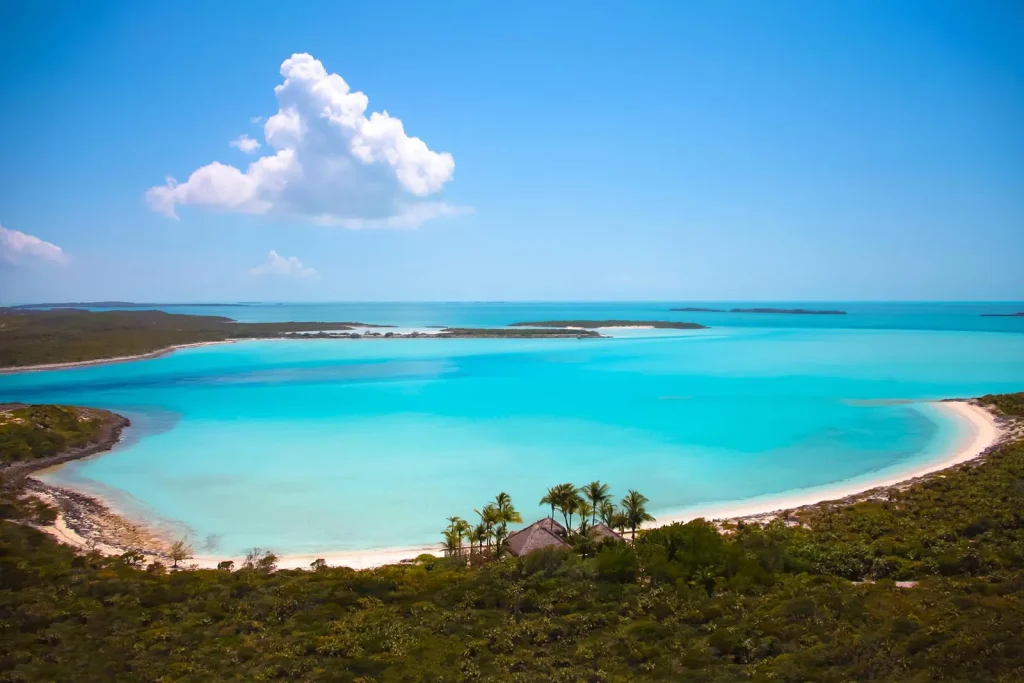
Musha Cay, owned by magician David Copperfield, is part of the Exumas in the Bahamas. The private island offers an extraordinary combination of luxury, seclusion, and family-friendly experiences.
Guests can enjoy beaches, water sports, sailing, kayaking, and private entertainment. Villas are luxurious and provide complete privacy, while staff ensures every detail is personalized to the guest’s preferences.
All-inclusive: Musha Cay offers all-inclusive packages that include gourmet meals, beverages, and access to the island’s recreational facilities. Special arrangements for events or celebrations can also be included.
Best time to travel: December to April is ideal for warm, dry weather. This period is perfect for water activities, sunbathing, and exploring the surrounding islands.
Private islands offer an unparalleled luxury travel experience where privacy, service, and breathtaking natural surroundings are the priority. From the secluded beaches of the Seychelles and Fiji to the Caribbean and the Bahamas, these destinations allow travellers to truly escape, indulge, and create unforgettable memories.
Whether you seek adventure, romance, wellness, or pure relaxation, choosing the right island, booking during the ideal season, and selecting all-inclusive packages ensures your escape is seamless and exceptional.
For 2026, private islands are more than a holiday; they are a chance to experience luxury on your own terms.
Italy is one of those destinations where every corner feels like a story waiting to be discovered. Everyone knows Rome, Florence, and the Amalfi Coast, and while these are iconic and spectacular, the country has so much more to offer. For travellers seeking something different, quieter, and deeply immersive, exploring off-the-beaten-path regions can transform a holiday into an unforgettable journey.
From medieval hilltop towns to serene lakes, rolling vineyards, and charming coastal villages, Italy is full of treasures that offer culture, luxury, and breathtaking scenery. This guide highlights some lesser-known destinations and experiences that luxury travellers can enjoy beyond the popular hotspots.
Lake Como is a haven for those seeking romance, relaxation, and refined Italian charm. Surrounded by mountains and dotted with luxurious villas, the lake offers spectacular views and opportunities for boating, private guided tours, and fine dining by the water.
The towns around the lake, such as Bellagio, Varenna, and Menaggio, each have their own character. Bellagio feels like a fairytale village with cobblestone streets and boutique shops. Varenna is perfect for quiet walks along the waterfront and charming local eateries. Menaggio offers a mix of culture, history, and easy access to hiking trails.
Secret to know before booking: Staying in a private villa with a lakeside terrace gives you early morning views and evening sunsets in complete privacy. Booking a private boat tour allows you to explore hidden corners of the lake that most visitors never see.
Sicily is a destination that combines history, natural beauty, and world-class cuisine. From ancient Greek temples in Agrigento to the lively markets of Palermo, Sicily is both authentic and luxurious. Mount Etna offers adventure and stunning scenery for those who enjoy hiking or wine tasting on the slopes of an active volcano.
The island’s beaches, from the white sands of San Vito Lo Capo to the dramatic cliffs of Taormina, offer relaxation and privacy. Luxury travellers can enjoy boutique hotels, private cooking classes with local chefs, and wine tours that focus on indigenous Sicilian grapes.
Secret to know before booking: Sicily is large and diverse, so planning which areas to visit and how to travel between them is essential. Hiring a private guide or driver enhances the experience, allowing you to explore at your own pace.
Puglia, in the heel of Italy’s boot, is gaining popularity among luxury travellers seeking sun-soaked landscapes, charming villages, and exceptional cuisine. Known for its whitewashed towns, olive groves, and unique trulli houses, Puglia offers a slower pace and a sense of authenticity.
Lecce, often called the Florence of the South, impresses with baroque architecture and artisan workshops. Alberobello is famous for its trulli, cone-shaped stone houses that feel like something out of a storybook. The coast offers quiet beaches, crystal-clear water, and opportunities for sailing or private beach picnics.
Secret to know before booking: Many of Puglia’s most beautiful accommodations are converted masserie, traditional farmhouses turned boutique hotels. Early booking ensures you can choose a property with private pools, sea views, or exclusive access to olive groves and vineyards.
For travellers who love dramatic landscapes, the Dolomites in northern Italy offer striking mountain scenery and a mix of outdoor adventure and luxury. In spring and summer, hiking trails wind through alpine meadows and dramatic peaks. In winter, ski resorts provide world-class slopes and cozy, high-end lodges.
The region is also known for its culinary scene, with mountain lodges serving traditional Ladin dishes alongside Michelin-starred restaurants. Wellness retreats and spa resorts are plentiful, providing the perfect combination of adventure and relaxation.
Secret to know before booking: Private chalets with mountain views allow you to enjoy sunrise and sunset from the comfort of your own space. Guided hikes or private photography tours give you access to hidden spots that are off the beaten path.
Cinque Terre, a collection of five colorful fishing villages on the Ligurian coast, is ideal for travellers who love both scenic beauty and cultural charm. Each village has its own character, with pastel-colored houses, narrow streets, and sea views that are unforgettable.
Luxury travellers can enjoy private boat tours, cooking classes, and vineyard visits along the coastal hills. The hiking trails connecting the villages offer stunning perspectives and quiet moments away from the crowds.
Secret to know before booking: Staying in a boutique hotel or private villa in one of the villages gives you early morning access to the trails and sunset views without the busy tourist crowds. Boat tours are best arranged early to enjoy the coast before it fills with visitors.
Umbria, often called the green heart of Italy, is a quieter alternative to Tuscany with rolling hills, medieval towns, and excellent food and wine. Perugia, Orvieto, and Assisi offer history, culture, and charm, while the countryside provides space for relaxation and private experiences.
Visitors can enjoy cooking classes, wine tastings, and guided walks through olive groves and vineyards. Luxury travellers often choose private villas or boutique hotels that offer serene views and a peaceful retreat from busy tourist areas.
Secret to know before booking: Early planning ensures access to accommodations with private gardens, pools, and countryside views. Hiring a local guide allows you to uncover hidden gems, such as secluded monasteries or small artisan workshops.
Italy beyond Rome, Florence, and the Amalfi Coast is full of hidden treasures waiting to be discovered. From lakeside elegance in Como to the sun-soaked coastlines of Puglia, dramatic Dolomite peaks, charming Cinque Terre villages, and the tranquil countryside of Umbria, each destination offers a unique, luxurious, and immersive experience.
Exploring these regions allows travellers to enjoy Italy at a slower pace, indulge in local culture, cuisine, and scenery, and create a holiday that feels both personal and unforgettable.
If you are ready to design a bespoke Italian journey that goes beyond the classics, I can help you plan every detail to ensure your experience is seamless, indulgent, and completely memorable.
An Antarctica cruise is unlike any other trip you’re likely to take in your lifetime. It is remote, pristine, and deeply unforgettable. People often think of it as “the ultimate bucket list adventure,” and in many ways it is. But because the destination is so wild and unique, the way you plan it matters just as much as where you go and what you see.
This guide explains the real differences you’ll want to understand before booking and shares practical insights that seasoned travellers wish they knew ahead of time. You’re not just choosing a cruise. You’re planning a journey into one of the most delicate and spectacular environments on Earth.
Antarctica cruises only operate during the austral summer, typically from November through March. That narrow window is all you get each year because outside of these months the sea ice becomes impassable and the continent is in near-constant winter darkness. The weather in this part of the world is famously changeable so planning around seasonality gives you the experience you most want.
Each part of the season has its own character. Early in the season, around November, ice and snow are still dramatic and pristine and wildlife such as courting penguins is active. Mid-season from December into January is the busiest, with long daylight hours, more predictable weather, and abundant wildlife activity including hatching penguin chicks. Later in the season, February and March often offer excellent whale watching, fewer crowds, and deeper exploration as the ice melts further.
One of the most important decisions you’ll make is about the cruise ship and itinerary itself. This directly affects how much time you spend on shore, how many excursions you get, and what kind of wildlife encounters you enjoy.
Smaller expedition ships usually carry fewer than 200 passengers. On these vessels you can expect more opportunities to get off the ship each day for activities like zodiac rides, shore landings, and guided walks. Smaller ships also tend to foster a more intimate atmosphere and allow every guest to participate in activities without long waits or restrictions. In contrast, larger ships sometimes do not make landings at all, and when they do, they may only allow limited access due to regulatory restrictions on how many people can disembark at once.
Another detail to check is the expedition crew to passenger ratio. A higher ratio means more personalised attention and a greater variety of experiences guided by naturalists and specialists. You might find options that include photography workshops, guided hikes, kayaking, or even polar camping. These choices shape the feel of your trip, and they often sell out early.
Because the Antarctic cruise season is short and the number of cabins limited, booking early is essential. Most travellers who want specific cabins, larger suites, or optional activities like kayaking or camping will secure their place about 12 to 18 months before departure. Booking early often means better pricing, more cabin choices, and access to programmes that can sell out long before the season begins.
Late deals do appear, but they come with trade offs. You might end up with a “guarantee” cabin where you do not know the exact location until shortly before embarkation. On a ship crossing the Drake Passage, knowing whether your cabin is midship for smoother motion or forward where noise is greater can make a big difference to your comfort.
Antarctica’s weather can change by the hour. Even in summer, temperatures range from freezing up to a few degrees above, and wind chill can make it feel colder. That variability is normal and part of the experience. Crafting your trip around these conditions means understanding how weather influences landings, wildlife sightings, and even sea conditions during the Drake Passage crossing.
Flexibility is your friend here. Expedition leaders will adjust activities and landings based on safety and conditions. This might mean an alternate excursion if the weather shifts, or it might mean rescheduling a zodiac trip for later in the day. Embracing flexibility rather than sticking rigidly to a preconceived idea of the itinerary makes the experience more peaceful and keeps you open to unexpected highlights.

Packing for Antarctica is not the same as packing for any other cruise. The temperatures on land are usually just above freezing at the warmest, and you’ll be spending time outside on deck and in small boats. Layering is key because the weather can shift and you want to be warm, dry, and comfortable throughout.
Most cruise operators supply essential polar gear such as waterproof parkas and rubber boots for wet landings, which makes packing lighter easier. What many travellers overlook is how much easier the trip feels when they focus on layers that wick moisture, retain warmth, and allow easy adjustment throughout the day. Sunglasses with high UV protection and high SPF sunscreen are simple details that make a big difference on the bright snow and ice.
Onboard life is generally relaxed and casual. Even on luxury expedition ships, formal attire isn’t the norm. Most evenings are informal and guests enjoy shared meals and enrichment lectures offered by the expedition team.
Whether you love it or not, most Antarctica cruises involve a crossing of the Drake Passage. This stretch of water between Cape Horn and Antarctica connects the Atlantic to the Southern Ocean and weather conditions can make the crossing rough. Seasickness is common even for people who do not usually experience it on other trips. Arriving a couple of days early before your cruise departure gives you a chance to acclimate, rest, and prepare for the open water crossing with more ease.
Some operators offer what is called a “fly-cruise” option where you fly from Punta Arenas in Chile to King George Island, avoiding the Drake entirely. This adds cost but can be a good choice for travellers who want to skip the ocean crossing or who have limited time.
Antarctica is a fragile ecosystem, protected by international agreements and strict environmental guidelines. Operators follow rules set by organisations such as the International Association of Antarctica Tour Operators to ensure wildlife is not disturbed, landing sites are respected, and human presence leaves no trace. Travellers participate in safety briefings and are guided on these guidelines, which include keeping distance from wildlife and staying on designated paths.
This respect for the environment is part of what makes a cruise to Antarctica feel meaningful rather than just scenic. It invites travellers to be thoughtful about their impact and deeply present in their surroundings.
An Antarctica cruise is not a casual holiday. It is an adventure that rewards preparation, curiosity, and flexibility. There is a profound difference between simply travelling there and travelling with thoughtful intention. How you plan makes a real difference to what you see and how you feel along the way.
If you take the time to choose the right itinerary, understand the seasonal differences, prepare your gear carefully, and book early, you will create a journey that feels calm, rich, and deeply rewarding.
This is more than a trip. It is a chance to witness one of the most remarkable places on Earth in a way that respects its purity and connects you to its beauty.
Easter is one of those travel moments that feels special every year, and in 2026 it falls at just the right time for longer journeys, meaningful experiences, and memorable celebrations. Whether you want a sun-soaked beach escape, a culturally rich city break, or a tranquil nature retreat, this season offers something for every kind of traveller.
The key to a great Easter trip is thoughtful planning. Popular destinations fill up early, and many experiences are seasonal. Knowing where to go, when to book, and what to consider ahead of time makes all the difference between a trip that feels rushed and one that feels just right.
In this guide, we explore some of the most exciting destinations for Easter 2026 and share insider tips that will help you plan with confidence.
Easter has both cultural and seasonal significance in many parts of the world. In the Northern Hemisphere, it often comes with spring blossoms, mild temperatures, and outdoor celebrations. In the Southern Hemisphere, it brings pleasant autumn weather that is perfect for exploring cities, vineyards, and landscapes.
Easter is also a time when many people take longer holidays, which means demand for travel can spike. Flights, hotels, tours, and even guided experiences can fill up sooner than you might expect. Planning early gives you access to the best options and more flexibility with dates, room types, and experiences.
Here are some of the most inspiring places to consider for your Easter 2026 travel, each offering its own unique appeal.
Kyoto is a magical place for Easter travel. Spring in Japan is synonymous with cherry blossoms and cultural renewal. Kyoto’s temples, gardens, and traditional tea houses come alive against soft pink blooms and gentle weather.
Travellers who visit Kyoto in this season often look for experiences that blend culture, beauty, and calm. Strolling through ancient streets, participating in a traditional tea ceremony, and discovering hidden gardens are ways to experience the city at a peaceful pace.
Secret to know before booking: Cherry blossom season is extremely popular and timing matters. The blooms vary a little each year based on weather conditions. Booking as early as possible will secure the best accommodations near iconic spots like the Philosopher’s Path and Gion district.
The Amalfi Coast in Italy is absolutely stunning in spring. Temperatures are warm but not yet hot, crowds are smaller than in summer, and the landscapes are bursting with fresh greenery and citrus blossoms. Places like Positano, Ravello, and Capri are both charming and energising, offering winding cliffside views, dramatic sea panoramas, and dreamy coastal drives.
This region is perfect for travellers who love food, design, and authentic Italian culture. Think leisurely lunches overlooking the water, hidden gardens, cobblestone streets, and local limoncello.
Secret to know before booking: Easter is a busy time in Italy with local celebrations and religious events. Many small businesses close for a few days around Easter Sunday. Planning logistics like restaurants, transport, and sightseeing ahead of time ensures a smoother and more enjoyable visit.
Cape Town offers an exceptional mix for Easter travel. In April, autumn sets in with beautiful light, clear skies, and temperatures that are perfect for exploring both the city and the surrounding vineyards. The Winelands around Stellenbosch and Franschhoek are especially lovely with harvest colours and cool evenings.
You can enjoy beach walks at Clifton and Camps Bay, take a cable car up Table Mountain, sip world-class wines, and dine in some of South Africa’s most celebrated restaurants.
Secret to know before booking: Easter weekend often falls during a local holiday period, so popular wineries and restaurants can book up quickly. Scheduling tastings and vineyard lunches before you depart gives you a relaxed itinerary instead of a rushed one.
Marrakech is an ideal Easter destination for travellers who love culture, colour, and a strong sense of place. The weather in April is warm and comfortable, perfect for wandering the medina, exploring riads with lush courtyards, and savouring tagines in atmospheric squares.
The city blends history with contemporary design and offers experiences from guided food tours to private garden visits. The scent of orange blossoms in spring adds another layer of sensory delight.
Secret to know before booking: Many riads and boutique hotels are small and extremely popular during this season. Finding the right one with a pool, courtyard or private terrace can elevate the entire stay.
If you want something off the typical Easter radar, Tasmania is a remarkable choice. April in Tasmania brings cool, clear days perfect for hiking, wildlife spotting, and wine tasting. Cradle Mountain, Freycinet National Park, and boutique vineyard regions offer peace, space, and dramatic scenery without crowds.
Tasmania is ideal for travellers who prefer a trip filled with nature, fresh air, and authentic local experiences.
Secret to know before booking: The best lodges and eco-friendly retreats have limited availability in autumn. Planning early gives you a choice of rooms with views, private cabins, or exclusive experiences like guided hikes and culinary tours.
For those drawn to immense landscapes and quiet beauty, Patagonia in the Southern Hemisphere is truly special in April. The summer season is transitioning into autumn with crisp air, striking colours, and tranquil spaces. Torres del Paine and surrounding regions offer hiking, scenic drives, lake views, and opportunities to disconnect.
This is a different kind of Easter travel. It is about scale, ease of pace, and simple awe.
Secret to know before booking: The best lodges near national parks have limited rooms and guided excursions that fill up early. Booking hikes, scenic excursions, and vehicle transfers ahead of time ensures a smooth experience rather than last-minute stress.
Planning for Easter travel in 2026 should be thoughtful rather than hurried. These are the little details that make a big difference.
Many travellers travel over the Easter weekend or the week around it. If you can shift your dates slightly before or after peak times you can often find better availability and calmer experiences overall. That extra flexibility allows you to choose the best rooms, private tours, or preferred guides instead of settling for what is left.
Easter is a time of celebration in many cultures. Some cities have processions, special menus, and festivals that enrich the trip but also require advanced reservations. Knowing these local rhythms helps you plan meals, tours, and logistics without last-minute surprises.
Weather affects how experiences feel. In some destinations spring brings gentle blossoms and cool walks. In others it is the start of autumn with vineyard colours and crisp air. Knowing what seasonality feels like at your destination ensures you arrive prepared and able to enjoy the best of what the place offers.
Easter creates opportunities for experiences that feel personal and meaningful. That might mean a private wine tasting at sunset, a guided cultural visit, a seaside picnic with fresh local foods, or a photography walk at golden hour. The more you personalise your itinerary, the more the trip feels like it was made just for you instead of something off a travel brochure.
Transportation between cities, private transfers from airports, and restaurant reservations should all be considered well before departure. During Easter travel periods airports and taxis can be busier than usual. Securing these pieces early makes your arrival and daily rhythm feel relaxed rather than rushed.
Easter 2026 is a wonderful opportunity to travel in ways that feel joyful, restorative, and truly yours. Whether you’re drawn to spring blossoms, coastal elegance, vibrant culture, untouched wilderness, or epic landscapes, there is a destination that matches the feeling you want from the trip.
Planning ahead, learning about local traditions, and tuning into the seasonal rhythms of each place will help you design a journey that feels both special and smooth from start to finish.
If you are ready to make Easter 2026 truly unforgettable, I can help you design the perfect itinerary, choose the best accommodations, and secure experiences that feel effortless and memorable.
Let’s Start Planning Your Easter 2026 Journey
Luxury travel in 2026 looks different from even a few years ago. It’s no longer about how many destinations you can check off or how full the itinerary looks on paper. Instead, it’s about how a journey feels, how smoothly it unfolds, and how well it aligns with your personal preferences. It’s about having the space to genuinely enjoy the experience.
There is also a growing awareness that the best travel experiences don’t happen by chance. With demand for high-quality accommodations and meaningful experiences on the rise, planning ahead has become essential. This isn’t a constraint—it’s an advantage.
This guide explores where luxury travellers are heading in 2026, what’s driving their choices, and why thoughtful, early planning makes all the difference in creating a seamless, memorable journey.
One of the biggest trends shaping luxury travel in 2026 is intentionality. Travellers are making decisions based on how they want to feel rather than how much they can fit into one trip. This has led to fewer destinations, longer stays, and accommodations that support slower, more immersive experiences.
Rather than rushing from place to place, travellers are choosing to settle into one location and explore it properly. This gives time for rest, spontaneity, and meaningful engagement. It might be enjoying unhurried mornings overlooking the ocean, spending time with a private guide who understands your interests, or returning to a favourite café or trail more than once.
This shift isn’t about doing less. It’s about doing things well.
Luxury travellers in 2026 are gravitating toward destinations that balance natural beauty, cultural depth, and refined comfort.
Safari destinations across Southern and East Africa remain incredibly popular, especially those offering exclusive-use lodges or private houses. These experiences provide exceptional wildlife encounters while offering privacy, flexibility, and a pace that feels restorative.
Island destinations are evolving too. Instead of large resorts, travellers are choosing private villas, boutique properties, and islands that prioritize sustainability, space, and personalized service. These stays allow guests to disconnect without feeling isolated, offering both tranquility and thoughtful hospitality.
In Europe, the focus has shifted away from crowded hotspots toward regions that reward longer stays and deeper exploration. Coastal retreats, countryside estates, and historic properties that feel lived-in rather than staged are in high demand.
One of the realities of luxury travel in 2026 is that the most coveted properties and experiences are finite. Private villas, exclusive-use safari lodges, and limited-room boutique hotels are not built on scale. There may only be one villa with the best view, a handful of rooms with optimal privacy, or a small number of guides who offer truly exceptional experiences.
Once these are booked, alternatives often require compromising on the elements that make a journey special. That’s why early planning has become so important. It gives access to the best options rather than settling for what remains.
Planning early doesn’t mean committing to rigid decisions before you’re ready. It actually opens up choice.
When travel is arranged well in advance, travellers have the flexibility to select the right dates, the perfect accommodations, and experiences that align with their interests. It allows time for thoughtful conversations, refinements, and adjustments instead of rushed decisions driven by limited availability.
Early planning also makes it possible to design a journey holistically. Flights, transfers, accommodations, and activities can be coordinated so the trip flows smoothly rather than feeling pieced together.
Beyond logistics, early planning creates peace of mind. Knowing that key elements of a journey are thoughtfully arranged reduces stress and builds anticipation.
Instead of scrambling to secure reservations or worrying about availability, travellers can look forward to their trip with confidence. This sense of ease is, in many ways, one of the greatest luxuries of all.
Looking ahead, demand for high-quality travel experiences shows no signs of slowing. Many luxury properties intentionally limit capacity to preserve the quality of the guest experience.
This means that waiting too long often results in fewer choices rather than better deals. Luxury travel rewards those who approach planning with intention, clarity, and insight. The earlier the conversation begins, the more refined and personal the journey can become.
Luxury travel is at its best when it feels effortless, balanced, and deeply aligned with how you want to experience the world. In 2026, achieving that starts with thoughtful planning and informed guidance.
Whether you’re considering a safari, a private villa escape, or a multi-destination journey at a relaxed pace, beginning early allows for better decisions and a more seamless outcome.
Let’s make your 2026 journey unforgettable.
There are few travel experiences as powerful, humbling, and deeply personal as a walking safari in Zambia. This is safari in its most honest form. No vehicles, no barriers, and no distractions. Just you, the land beneath your feet, and some of Africa’s most experienced guides leading the way.
A walking safari is not about chasing sightings or covering vast distances. It is about slowing down, tuning in, and learning to see the bush in a completely different way. Zambia is widely regarded as the birthplace of the walking safari, and there is no better place to experience it in its purest form.
Zambia’s approach to safari has always been rooted in authenticity and respect for the natural world. Large areas of wilderness remain wild and lightly visited, creating ideal conditions for walking. The focus here is not on volume of visitors, but on quality of experience.
Walking safaris in Zambia are led by some of the most highly trained guides in Africa. Their knowledge goes far beyond identifying animals. They read the land, understand behaviour, track wildlife with extraordinary skill, and teach you how to move confidently and safely through the bush.
What makes Zambia particularly special is the sense of trust and connection that develops between guide and guest. Over the course of several days, you are not just observing nature. You are participating in it.
Walking through the African bush is a sensory experience in the truest sense. You notice the crunch of leaves underfoot, the distant alarm calls of birds, and the subtle changes in the landscape that signal the presence of wildlife.
You may encounter elephants, giraffe, buffalo, or antelope at a respectful distance. You may also spend time focused on the smaller details that are often missed on game drives. Tracks in the sand, medicinal plants, termite mounds, and the stories they tell all become part of the experience.
There is something profoundly grounding about being on foot. Without the engine noise of a vehicle, the bush feels alive in a quieter, more intimate way. Each step encourages awareness and presence.
The walking safari season in Zambia typically runs from June through October. During these months, rainfall has subsided, vegetation is thinner, and wildlife is easier to track on foot.
The cooler winter mornings make walking comfortable, while daytime temperatures remain pleasant. As the season progresses toward September and October, game viewing becomes increasingly rewarding as animals concentrate around water sources.
This seasonal rhythm is an important part of the experience. Walking safaris are carefully timed and guided to ensure both safety and optimal wildlife encounters.
Zambia offers several exceptional regions for walking safaris, each with its own character.
South Luangwa National Park is the most renowned and is often considered the spiritual home of walking safaris. Its diverse habitats and abundance of wildlife make it ideal for exploring on foot.
Lower Zambezi National Park offers a different perspective, combining walking safaris with river based experiences. The landscape here is dramatic, and walking along the Zambezi River adds a unique dimension to the journey.
Kafue National Park, one of Africa’s largest protected areas, offers remote and less visited walking experiences for travellers seeking solitude and exploration.
A typical walking safari day begins early, when the bush is cool and active. Walks usually last several hours and are tailored to the pace and comfort of the group. Breaks are taken often, allowing time to observe, learn, and absorb the surroundings.
Afternoons may include time to rest, reflect, or enjoy the camp before an optional shorter walk or game drive. Evenings are spent around the fire, sharing stories and listening to the sounds of the bush as night falls.
Camps are intentionally small and intimate, designed to complement the walking experience rather than distract from it. Expect thoughtful comfort, excellent food, and a strong sense of connection to the environment.
A walking safari is ideal for travellers who are curious, open minded, and comfortable with being outside their comfort zone in the best possible way. You do not need to be an athlete, but a reasonable level of fitness and a love for nature are important.
This experience appeals to those who want to understand Africa rather than simply see it. It is especially rewarding for repeat safari travellers who are ready for a deeper level of engagement.
Many travellers choose to combine a walking safari with a more traditional game drive based safari, allowing for contrast and variety. Adding time in a different region of Zambia or pairing the safari with Victoria Falls creates a well balanced journey.
For those seeking further contrast, a beach extension or a few nights in a city such as Cape Town can add a softer, restorative ending to an immersive wilderness experience.
Walking safaris are highly specialised and operate with limited availability. Camps are small, guides are in high demand, and the walking season is finite. Planning well in advance ensures access to the best camps and the most experienced guides.
Careful planning also allows time to match the experience to your comfort level, interests, and overall travel goals. When done well, the journey feels effortless, safe, and deeply rewarding.
A walking safari in Zambia is not about luxury in the traditional sense. It is about richness of experience, depth of understanding, and moments that feel profoundly real.
It invites you to slow down, to listen, and to engage with the natural world in a way that few travel experiences allow. For those who are open to it, a walking safari becomes more than a trip. It becomes a perspective shift, and often, a lifelong memory.
Zambia offers this experience with integrity, expertise, and a quiet confidence that is rare and unforgettable.
Egypt is a destination that captures the imagination like no other. From the grandeur of the Pyramids of Giza to the timeless beauty of the Nile and the vibrant culture of Cairo, it offers experiences that combine history, adventure, and luxury. For travellers seeking a journey that is both enriching and seamless, Egypt has everything from exclusive Nile cruises to private guided tours and luxury desert lodges.
In this guide, I will share insights on the best time to travel, insider tips to make your trip smoother, and recommendations for creating an unforgettable Egyptian experience. Whether it is your first visit or a return journey, understanding the rhythms of the country ensures a truly exceptional holiday.
Egypt’s climate varies between desert regions, the Nile Valley, and the Red Sea coast. The most comfortable time to travel is generally from October to April. During these months, daytime temperatures are pleasant, ranging from the low twenties to the high twenties Celsius, while evenings are cooler, perfect for exploring monuments or enjoying a river cruise.
Summer months from May to September can be extremely hot, particularly in the desert and around Luxor and Aswan, with temperatures often exceeding 40 degrees Celsius. If your schedule requires summer travel, consider the Red Sea resorts such as Sharm El Sheikh or Hurghada, where coastal breezes and luxury resorts make the heat more manageable.
No visit to Egypt is complete without exploring its ancient treasures. The Pyramids of Giza and the Sphinx are timeless icons, and visiting early in the morning or late afternoon helps avoid crowds and allows for beautiful light for photography.
The temples of Luxor and Karnak are equally breathtaking. A private guided tour offers deeper insight into the history, architecture, and mythology behind these wonders. Luxor is also the gateway to the Valley of the Kings, where tombs of pharaohs like Tutankhamun reveal some of the richest artefacts from ancient Egypt.
Insider Tip: Hiring an Egyptologist or private guide enhances the experience tremendously. They provide context, tell stories behind the hieroglyphs, and guide you through the best vantage points for photography.

A Nile cruise is one of the most indulgent ways to experience Egypt. Luxury cruises range from intimate, 20-cabin vessels to larger yachts with suites, pools, and wellness facilities. Onboard, guests enjoy fine dining, enrichment lectures, and curated excursions to temples and tombs along the river.
Private cabins with balconies offer uninterrupted views of the riverbanks, while early morning sailings allow you to witness daily life along the Nile in peace. Some cruises even offer exclusive access to temples before they open to the public, which creates an unparalleled sense of intimacy with these historical sites.
Insider Tip: Booking a cruise with a small passenger-to-staff ratio ensures more personalised attention, priority shore excursions, and a relaxed pace throughout your journey.
Egypt’s desert regions offer dramatic landscapes and opportunities for unique experiences. Luxury desert lodges provide seclusion, stunning architecture, and curated activities such as camel treks, quad biking, and stargazing. The White Desert and Siwa Oasis are perfect examples of places that combine natural beauty with privacy and comfort.
The Red Sea coast is ideal for divers, snorkelers, and sunseekers. Resorts in Hurghada and Sharm El Sheikh offer luxury villas, private beaches, and world-class dive excursions. The coral reefs are among the best in the world, and arranging a private dive guide ensures a safe and personalized adventure.
Insider Tip: Combining a desert stay with a Red Sea resort creates a perfect balance between adventure, relaxation, and cultural immersion.
Egypt’s culture is vibrant and diverse. Cairo, with its historic neighborhoods, markets, and museums, provides a fascinating contrast to the tranquility of the Nile or the desert. Private tours of the Egyptian Museum, home to Tutankhamun’s treasures, allow visitors to explore exhibits without the crowds.
Food is an integral part of the experience. Luxury travellers can enjoy private dining experiences featuring traditional dishes like koshari, molokhia, and freshly grilled seafood. Cooking classes or market tours offer immersive ways to connect with local culinary traditions.
Insider Tip: Ask your guide to recommend authentic local eateries away from tourist-heavy areas for a truly memorable culinary experience.
Egypt is well-equipped for luxury travel. Private transfers, domestic flights, and guided tours make exploring seamless. For those seeking exclusivity, arranging private helicopter transfers between cities or from resorts to archaeological sites can save time and add a touch of elegance.
Safety is generally good in tourist areas, but it is wise to follow local advice, travel with reputable guides, and avoid crowded spots during peak hours. Staying at five-star hotels or private lodges ensures comfort, security, and personalised service.
Insider Tip: Travel insurance is essential. Choose coverage that includes adventure activities, Nile cruises, and desert excursions for complete peace of mind.
Visiting Egypt is more than a holiday; it is a journey through time, culture, and natural beauty. By travelling during the optimal season, arranging private guides, and focusing on luxury experiences such as Nile cruises, desert lodges, and Red Sea resorts, you can enjoy Egypt in comfort, privacy, and style.
Every part of the country has something unique to offer, and careful planning ensures your trip is seamless, immersive, and unforgettable. With the right guidance and insider knowledge, your Egyptian journey will be effortless, inspiring, and truly one-of-a-kind.
Let’s Design Your Egyptian Journey
No obligation. Just a conversation.
Imagine waking up to the golden glow of the African sun, surrounded by the sounds of nature awakening from the night. There’s something magical about embarking on a safari that goes beyond just observing wildlife; it’s about immersing yourself in the untamed beauty of the continent. In 2026, adventure awaits at every turn with the top 5-star African safaris that promise not only breathtaking landscapes but also the thrill of encountering majestic animals in their natural habitat. From the iconic Big Five to serene sunsets over the savannah, these experiences are the epitome of luxury travel melded with raw adventure. Whether you’re a seasoned safari-goer or a first-timer, this year’s offerings are set to create memories that last a lifetime. Join us as we explore the must-visit safaris that will elevate your travel experience to new heights. Get ready to thrill your senses and embark on the journey of a lifetime!
Choosing a 5-star safari experience is about indulging in the ultimate blend of luxury and adventure. When you opt for this level of service, you’re not just booking a trip; you’re investing in an extraordinary journey where every detail is meticulously planned to ensure your utmost comfort and satisfaction. From personalized service to exclusive game drives, a 5-star safari goes beyond the standard wildlife viewing. It's about experiencing the African wilderness in the most sophisticated manner possible, surrounded by opulent accommodations and world-class amenities.
One of the major highlights of a 5-star safari is the access to private reserves and conservancies. These exclusive areas often have fewer vehicles and tourists, allowing for more intimate wildlife encounters and a deeper connection with nature. You can expect to have private, guided excursions led by expert rangers who have an intimate knowledge of the flora and fauna. These guides provide a wealth of information, enhancing your understanding and appreciation of the natural world around you. The exclusivity of these areas ensures that your safari experience is both unique and memorable.
Moreover, the culinary experiences on a 5-star safari are exceptional. Gourmet meals prepared by top chefs, often using locally sourced ingredients, are a staple. Imagine dining under the stars with the sounds of the African bush as your backdrop, or enjoying a lavish breakfast in the middle of the savannah. These dining experiences are designed to tantalize your taste buds while immersing you in the natural beauty of the surroundings. The combination of fine dining, luxurious accommodations, and unparalleled wildlife viewing makes a 5-star safari an unparalleled adventure.
Africa is a vast continent with a plethora of destinations that offer 5-star safari experiences, each with its unique charm and allure. One of the most renowned destinations is the Serengeti National Park in Tanzania. Known for its spectacular annual migration of over a million wildebeest and hundreds of thousands of zebras and gazelles, the Serengeti promises a front-row seat to one of nature's greatest spectacles. The park’s vast plains are also home to the Big Five, providing ample opportunities for close encounters with lions, elephants, leopards, buffalo, and rhinos.
Another iconic destination is the Maasai Mara National Reserve in Kenya, which is part of the same ecosystem as the Serengeti. The Maasai Mara is famous for its rich concentration of wildlife and the Great Migration that occurs between July and October. The reserve offers some of the most luxurious safari camps and lodges, where guests can enjoy stunning views of the savannah and partake in guided game drives, hot air balloon safaris, and cultural experiences with the Maasai people. The combination of wildlife diversity and cultural richness makes the Maasai Mara a top choice for luxury safaris.
For those looking to experience the unique landscapes of Southern Africa, the Okavango Delta in Botswana is a must-visit. This UNESCO World Heritage Site is one of the most pristine and diverse ecosystems in the world. The delta’s waterways and lush vegetation provide a haven for a myriad of species, including hippos, crocodiles, and an abundance of birdlife. Luxury safari lodges in the Okavango Delta offer water-based activities such as mokoro (dugout canoe) excursions and boat safaris, giving guests a different perspective on wildlife viewing. The delta's serene beauty and exclusivity make it a premier destination for a 5-star safari.
When it comes to 5-star safari lodges and camps, the options are as diverse as the landscapes they inhabit. Singita Grumeti in Tanzania’s Serengeti is a prime example of luxury in the wilderness. Positioned in a private reserve adjacent to the national park, Singita Grumeti offers opulent lodges and tented camps that blend seamlessly with their surroundings. Guests can enjoy private game drives, guided walking safaris, and even horseback riding through the savannah. The attention to detail, from the decor to the personalized service, ensures an unparalleled safari experience.
Another standout is the Royal Malewane in South Africa’s Greater Kruger National Park. This exclusive lodge is renowned for its exceptional luxury and world-class service. Each suite is lavishly appointed with private decks, plunge pools, and stunning views of the surrounding bush. The lodge boasts some of the best guides and trackers in Africa, ensuring that guests have the opportunity to see the Big Five and other wildlife up close. The Royal Malewane’s spa, gourmet dining, and bespoke experiences make it a top choice for discerning travelers.
In Botswana’s Okavango Delta, Vumbura Plains Camp offers an extraordinary blend of luxury and adventure. The camp features spacious suites with private plunge pools and outdoor showers, allowing guests to fully immerse themselves in the natural beauty of the delta. Vumbura Plains is known for its diverse activities, including game drives, boat safaris, and walking safaris. The camp’s commitment to sustainability and conservation is evident in its eco-friendly design and operations. Guests can enjoy the pristine wilderness of the delta while indulging in the finest comforts.
The year 2026 promises a host of unique safari experiences that will elevate your adventure to new heights. One of the most anticipated offerings is the opportunity to participate in conservation activities. Many 5-star lodges and camps are now integrating conservation efforts into their guest experiences. This could include tracking and monitoring endangered species, participating in anti-poaching patrols, or engaging in community-based projects. These activities provide a deeper understanding of the challenges facing wildlife and the efforts being made to protect them.
Another exciting development is the rise of wellness safaris. Combining the thrill of wildlife viewing with holistic wellness practices, these safaris offer a rejuvenating experience for the mind, body, and soul. Imagine starting your day with a sunrise yoga session overlooking the savannah, followed by a guided meditation walk through the bush. Many luxury lodges now feature spa facilities offering treatments inspired by African traditions, as well as healthy, gourmet cuisine. A wellness safari allows you to connect with nature while nurturing your well-being.
For those seeking an adrenaline rush, adventure safaris are set to be a highlight in 2026. These safaris offer thrilling activities such as hot air balloon rides, helicopter tours, and even skydiving over some of Africa’s most iconic landscapes. Imagine soaring above the Serengeti in a hot air balloon at dawn, witnessing the vast herds of the Great Migration from above. Or, for the truly daring, experiencing the rush of a skydive over Namibia’s dramatic desert dunes. These adventure-packed safaris provide an exhilarating way to experience Africa’s natural wonders.
Wildlife viewing on a luxury safari is an experience like no other, offering close encounters with some of the world’s most magnificent animals in their natural habitat. The Big Five – lions, elephants, leopards, buffalo, and rhinos – are often at the top of every safari-goer’s list. On a 5-star safari, you have the best chance of seeing these iconic species, thanks to the expertise of highly skilled guides and access to private reserves where wildlife sightings are more frequent and less crowded.
In addition to the Big Five, you can expect to see a diverse array of wildlife, from graceful giraffes and playful zebras to elusive cheetahs and majestic hippos. Bird enthusiasts will be delighted by the incredible variety of bird species, with opportunities to spot everything from vibrant bee-eaters to majestic eagles. The varied ecosystems of Africa, from the open plains of the Serengeti to the lush waterways of the Okavango Delta, provide a rich tapestry of habitats that support a wide range of species.
Night game drives are a unique aspect of luxury safaris that offer a different perspective on wildlife viewing. As the sun sets and the nocturnal creatures emerge, you’ll have the chance to see animals that are rarely spotted during the day. Leopards, hyenas, and bush babies are just a few of the nocturnal animals you might encounter. Equipped with spotlights, your guide will help you navigate the darkness and reveal the hidden world of the African night. These night drives add an element of mystery and excitement to your safari adventure.
Planning a 5-star safari requires careful consideration to ensure that you make the most of this once-in-a-lifetime experience. One of the first things to consider is the timing of your trip. Different seasons offer varying experiences, with the dry season typically providing the best wildlife viewing opportunities. During this time, animals congregate around water sources, making them easier to spot. However, the wet season brings lush landscapes and fewer tourists, offering a more exclusive experience.
Choosing the right lodge or camp is also crucial. Research the various options and look for those that align with your interests and preferences. Some lodges are known for their focus on conservation and community involvement, while others may excel in providing luxurious amenities and exceptional service. Consider the activities offered, such as game drives, walking safaris, and cultural experiences, to ensure that the lodge or camp meets your expectations.
Packing for a safari requires a balance of practicality and comfort. Lightweight, neutral-colored clothing is recommended to blend in with the environment and keep cool in the heat. Don’t forget essentials such as a wide-brimmed hat, sunscreen, and insect repellent. Binoculars and a good camera are also must-haves to capture the incredible wildlife sightings. It’s also a good idea to bring a small medical kit with basic supplies, as well as any personal medications you may need.
A 5-star safari is a significant investment, but with careful planning, it can be an achievable and worthwhile expense. The cost of a luxury safari can vary greatly depending on the destination, the level of accommodation, and the length of stay. On average, you can expect to spend anywhere from $800 to $2,000 per person per night and upwards. This typically includes accommodation, meals, game drives, and other activities. High-end lodges and camps may also offer additional perks such as private guides, spa treatments, and charter flights.
When budgeting for your safari, it’s important to consider additional costs that may not be included in the package price. These can include international flights, travel insurance, visa fees, and gratuities for the staff. Some lodges also offer optional activities such as hot air balloon rides or helicopter tours, which can add to the overall cost. It’s a good idea to set aside a contingency fund for any unexpected expenses that may arise during your trip.
To make the most of your budget, consider booking your safari through a reputable travel agent who specializes in luxury safaris. They can help you find the best deals and often have access to exclusive offers and packages. Additionally, they can provide valuable insights and recommendations based on your preferences and budget. Planning and booking well in advance can also help you secure the best rates and availability, particularly during peak seasons.
Hearing from fellow travelers can provide invaluable insights and inspiration for your own safari adventure. One such traveler, Sarah, recounts her experience at Singita Grumeti in Tanzania: “From the moment we arrived, we were treated like royalty. Our guide was incredibly knowledgeable and passionate about wildlife, and we saw the Big Five within the first two days. The highlight was definitely the sundowners on the Serengeti plains, watching the sunset with a glass of champagne in hand. It was a dream come true.”
Mark and Lisa, a couple who visited the Okavango Delta, share their story: “The Okavango Delta was beyond our wildest dreams. The water-based activities were a unique experience, and we loved the mokoro excursions. The wildlife sightings were incredible, especially the elephants and hippos. Our lodge, Vumbura Plains, was pure luxury, and the staff went above and beyond to make our stay unforgettable. We can’t wait to return.”
Another traveler, James, reflects on his adventure in the Maasai Mara: “The Maasai Mara exceeded all my expectations. The sheer density of wildlife was astounding, and witnessing the Great Migration was a once-in-a-lifetime experience. The cultural interactions with the Maasai people added a special dimension to the trip. Staying at a luxury camp allowed us to enjoy the best of both worlds – the thrill of the wild and the comfort of top-notch accommodations. It was truly an unforgettable journey.”
Embarking on a 5-star safari journey is an adventure that promises to be both thrilling and luxurious. From the moment you wake up to the sounds of nature to the breathtaking wildlife encounters and the exceptional service at your lodge, every aspect of a luxury safari is designed to create unforgettable memories. Whether you choose to explore the vast plains of the Serengeti, the rich wildlife of the Maasai Mara, or the serene beauty of the Okavango Delta, you are in for an experience that transcends the ordinary.
As you plan your safari, keep in mind the tips and considerations that will help you make the most of your trip. Choose the right time of year, select a lodge that aligns with your interests, and pack wisely to ensure a comfortable and enjoyable experience. Budgeting for your safari and booking through a specialized travel agent can also help you maximize the value of your investment.
The testimonials from fellow travelers highlight the magic and wonder of a 5-star safari. Their stories of incredible wildlife sightings, luxurious accommodations, and unique experiences serve as a testament to the extraordinary adventure that awaits you. So, get ready to immerse yourself in the untamed beauty of Africa, where every moment is an opportunity to create lasting memories. Your 5-star safari journey awaits – are you ready to experience the thrill?
Iceland is a land of extraordinary beauty and captivating landscapes, where the untamed wilderness and enchanting scenery create an otherworldly experience. Among its many wonders, the Northern Lights, or Aurora Borealis, stand out as one of the most magical phenomena visible in this remote country. Known for its dramatic and whimsical vistas, Iceland offers unparalleled opportunities to witness this celestial display. As a seasoned travel planner, I’m here to guide you through everything you need to know to make the most of your Northern Lights adventure in Iceland.
Optimal Timing for Viewing the Northern Lights
To experience the Northern Lights in their full glory, you need to ensure complete darkness and clear skies. The best time to see the Aurora Borealis in Iceland is between late September and March. During this period, the nights are longest, providing ample opportunities to catch a glimpse of the lights. The sun sets around 6 p.m. each day during these months, allowing you to witness the stunning display without having to stay up too late. This window of time offers the ideal conditions for viewing the Northern Lights, maximizing your chances of seeing this breathtaking phenomenon.
Prime Locations for Northern Lights Viewing
Unlike many other countries, you don't need to venture far from the city to experience the Northern Lights in Iceland. Reykjavik, the capital city, is one of the few urban areas in the world where you can enjoy this natural wonder without leaving the city limits. For those who want to enhance their Northern Lights experience, guided tours are available that take you to some of the most spectacular vantage points across the country. These tours are designed to offer the best viewing conditions, away from light pollution, ensuring a memorable and immersive experience.
The Mythology Behind the Northern Lights
The Northern Lights have long captivated the human imagination, and Icelandic culture is rich with fascinating myths and legends surrounding this natural wonder. Historically, it was believed that the lights could ease the pain of childbirth, reflecting the deep-rooted cultural significance of this celestial display. According to Viking legend, the Aurora Borealis was thought to be a reflection from the shields and armor of the Valkyries, mythical figures who chose who would live and die in battle. While modern science explains the Northern Lights as a result of solar particles interacting with the Earth's magnetic field, the mythological stories add an extra layer of magic to this awe-inspiring phenomenon.
Embrace the Northern Lights Experience
The Northern Lights are known for their unpredictability, but their beauty is consistently breathtaking. Whether you're a seasoned traveler or a first-time visitor, spending an evening under the Icelandic sky to witness the Aurora Borealis is a truly unforgettable experience. Make sure to dress warmly, stay patient, and keep your eyes on the skies for a chance to see one of nature’s most spectacular shows.
To ensure you have the best possible experience, consider working with a professional travel planner who can tailor your trip to include prime viewing opportunities and additional Icelandic adventures.
London, with its rich tapestry of history and culture, stands as one of the most vibrant and dynamic cities in the world. Whether you're drawn by its iconic landmarks, world-class museums, or its bustling markets, London promises an unforgettable experience for every traveler. If you're planning your first adventure to this remarkable city, the process can seem a bit overwhelming due to its vast size and numerous attractions. To help you navigate your way through this exciting journey, I've compiled a detailed guide featuring essential tips and tricks for a memorable visit to London.
Choosing your accommodation wisely is crucial to maximizing your London experience. Central London is the vibrant heart of the city, encompassing some of the most renowned districts, such as Westminster, Covent Garden, and the West End. Staying in this area offers unparalleled convenience, allowing you to be just a short stroll away from many of the city's top attractions, including the British Museum, the Houses of Parliament, and Buckingham Palace. Central London also boasts excellent connectivity through the London Underground, commonly referred to as the Tube. This efficient public transport system will enable you to explore further parts of the city with ease. By residing in central London, you not only save time on commuting but also gain access to a wide array of dining options, theaters, and entertainment venues, enhancing your overall experience.
Understanding the timing of your visit can greatly impact the quality of your trip. London, being a major global destination, experiences a significant influx of tourists during bank holidays and school breaks. These peak periods often lead to crowded attractions, longer lines, and busier public transportation. During these times, the city becomes a bustling hive of activity, with both international travelers and local visitors flocking to popular spots. To enjoy a more relaxed and pleasant experience, consider planning your trip outside these peak times. Visiting London during quieter months will allow you to explore its landmarks and neighborhoods without the added pressure of large crowds, providing a more enjoyable and stress-free experience.
London is a sprawling metropolis with a wealth of attractions, each offering a unique glimpse into the city's rich history and contemporary culture. To fully appreciate what London has to offer, it is advisable to allocate a substantial amount of time for your visit. For first-time travelers, a stay of at least one week is ideal. This timeframe allows you to thoroughly explore major landmarks such as Buckingham Palace, the Tower of London, and the London Eye. It also provides ample opportunity to delve into London's diverse neighborhoods, from the historic charm of Greenwich to the artistic vibrancy of Shoreditch. Additionally, a longer stay enables you to experience the city’s various facets, including its world-class dining, shopping, and cultural experiences, without feeling rushed.
One of the most effective ways to enhance your London visit is to plan and book your activities in advance. London is home to a multitude of popular attractions, including theaters, museums, and landmarks, which often experience high demand. By purchasing tickets ahead of time, you can avoid lengthy queues and secure your entry to must-see sites. For example, booking tickets for the London Eye, West End shows, or the Tower of London in advance not only saves you time but can also provide access to special rates and discounts. Additionally, many attractions offer the convenience of online booking, allowing you to skip the lines and enjoy a smoother experience. Engaging with a knowledgeable travel advisor can further streamline your planning, as they often have access to exclusive deals and can assist in securing the best options for your trip.
Exploring London doesn’t have to break the bank. The city offers a wealth of free attractions that provide rich and rewarding experiences. Many of London’s esteemed museums, such as the British Museum, the National Gallery, and the Tate Modern, offer free admission, allowing you to immerse yourself in art, history, and culture without incurring extra costs. Additionally, London’s beautiful parks and gardens, including Hyde Park, Regent’s Park, and Kew Gardens, are perfect for leisurely strolls, picnics, and relaxation. Iconic sights like the Changing of the Guard at Buckingham Palace and the historic ambiance of Harrods are also free to enjoy. By incorporating these complimentary experiences into your itinerary, you can explore London’s highlights and enjoy its vibrant cultural scene while managing your budget effectively.
London is a city brimming with history, culture, and excitement, offering a wealth of experiences for every type of traveler. By staying in central London, timing your visit wisely, allowing sufficient time for exploration, booking activities in advance, and taking advantage of free attractions, you can make the most of your trip. This guide aims to help you navigate the complexities of planning your first visit to this extraordinary city, ensuring a memorable and enriching experience. For a well-organized and tailored trip, consider working with a professional travel planner who can provide expert advice and personalized recommendations.
When it comes to luxurious tropical escapes, few names spark wanderlust like Tahiti and the Maldives. These two iconic destinations top the bucket lists of honeymooners, sunseekers, and discerning travelers alike. With crystal-clear waters, overwater bungalows, and postcard-perfect beaches, they each promise a dreamlike escape—but they offer very different experiences.
So how do you choose? In this in-depth guide, we explore Tahiti vs Maldives across key travel factors—location, culture, activities, accommodations, and overall vibe—to help you decide which paradise is right for your next luxury getaway.
Tahiti is the largest island in French Polynesia, located in the South Pacific Ocean. It serves as the main gateway to other famed islands like Bora Bora and Moorea. Flights to Tahiti (via Faa’a International Airport) are relatively direct from the West Coast of the U.S., New Zealand, or Australia.
The Maldives is a collection of 1,000+ coral islands in the Indian Ocean, southwest of Sri Lanka and India. It’s typically accessed through Malé International Airport, with seaplane or speedboat transfers to private island resorts. It's a popular destination for travelers from Europe, the Middle East, and Asia.
Tahiti vs Maldives: For U.S. travellers, Tahiti is easier to reach. The Maldives may be more convenient for those based in Europe or Asia.
Tahiti offers a rich Polynesian culture rooted in tradition, music, dance, and art. You can expect colorful festivals, warm and welcoming locals, and authentic cultural experiences like tāmūrē dances and traditional tattooing. There’s a sense of local life beyond the resorts.
The Maldives is more resort-centric and culturally understated, with its Islamic heritage influencing modesty norms and limited public alcohol sales outside resorts. Most travelers stay in private-island resorts where the atmosphere is serene, luxurious, and ultra-private. The Maldives are making huge strides in becoming the Ultimate Low-Impact Destination - read more about it here
Tahiti vs Maldives: Choose Tahiti for a culturally immersive vacation. Opt for the Maldives if your priority is privacy and pure relaxation.
Tahiti (and its nearby islands like Bora Bora and Moorea) pioneered the concept of the overwater bungalow. You’ll find a mix of luxury and mid-range options, often featuring traditional Polynesian architecture with thatched roofs and local artistry.
The Maldives perfected the overwater experience with ultra-modern design and luxury features like glass floors, private infinity pools, and 24/7 butler service. Resorts here are often standalone islands, giving you exclusive access to the beach and reef.
Tahiti vs Maldives: Both destinations offer iconic overwater stays, but the Maldives takes it up a notch in terms of privacy and extravagance.
Tahiti’s beaches are framed by dramatic volcanic peaks, lush rainforests, and black or golden sand shores. The scenery is wild and varied, with plenty of opportunities for hiking, snorkelling, and waterfall chasing.
The Maldives is all about tranquil white-sand beaches, shallow turquoise lagoons, and picture-perfect coral atolls. The flat terrain and underwater world define its natural appeal, making it a diver’s dream.
Tahiti vs Maldives: Choose Tahiti for varied landscapes and adventure. Choose the Maldives for flawless beaches and underwater beauty.
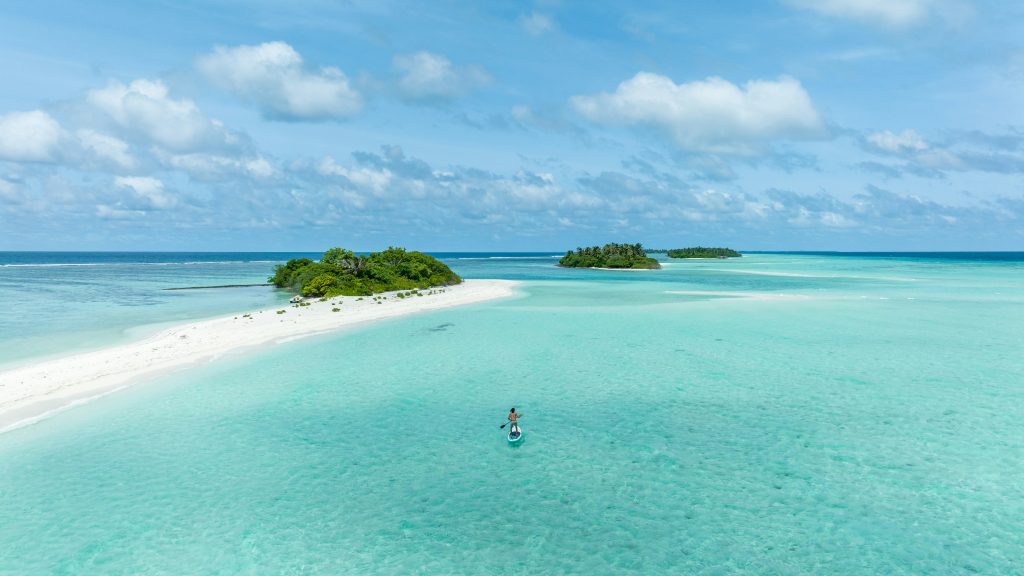
In Tahiti, your days can be filled with outrigger canoeing, hiking up volcanic trails, visiting pearl farms, exploring local markets, or diving into the islands’ cultural heritage. Island-hopping between Moorea, Bora Bora, and Rangiroa adds even more adventure.
The Maldives is ideal for water lovers. Snorkelling, diving, kayaking, and sailing dominate the activity list. Most resorts offer exceptional house reefs; some even have underwater restaurants and spas. On-land excursions are limited due to the small size of the islands.
Tahiti vs Maldives: Tahiti offers greater diversity of land and cultural activities, while the Maldives is best for water-based luxury and marine exploration.
Tahitian cuisine blends French and Polynesian influences. Expect fresh seafood, tropical fruits, and local favorites like poisson cru (Tahitian-style ceviche). Dining outside of resorts is common, offering the chance to explore local restaurants and cafes.
The Maldives features a global culinary scene centred around luxury resort dining. Many resorts offer gourmet tasting menus, overwater restaurants, and private dining experiences. Local Maldivian cuisine includes curries, coconut-rich dishes, and fresh seafood, though these are mainly experienced within select resorts.
Tahiti vs Maldives: Tahiti offers more opportunities to explore local food culture. The Maldives excels in curated fine-dining experiences within resort settings.
Tahiti has romantic appeal, especially on nearby islands like Bora Bora, but it also caters to explorers and cultural travelers. It’s ideal for couples who want both romance and immersive experiences.
The Maldives is arguably the world’s top honeymoon destination. The complete seclusion and ultra-luxury offerings make it ideal for couples seeking pure escapism.
Tahiti vs Maldives: Tahiti is for adventurous romantics. The Maldives is for luxurious dreamers.
Tahiti can be expensive, but offers a broader range of accommodations, including boutique hotels and guesthouses that provide a more flexible price point. Dining and activities outside resorts are also more affordable.
The Maldives is typically high-end and comes with a higher price tag. Many resorts operate on all-inclusive models, and transfers can add significant cost. However, it’s often worth the splurge for those seeking once-in-a-lifetime luxury.
Tahiti vs. Maldives: Tahiti offers more budget flexibility and local access. The Maldives deliver unmatched exclusivity—at a premium.
Tahiti vs Maldives is not just a choice between two islands—it’s a choice between two distinct types of experiences.
Let’s turn your travel vision into reality. Schedule your consultation today!
A safari is one of the most awe-inspiring adventures a traveller can experience; raw, real, and deeply moving. But while you’re venturing into wild, untamed landscapes, your behaviour matters more than ever. Enter safari etiquette, a set of unspoken rules that help protect the environment, support local guides, and ensure everyone (guests and wildlife alike) has a safe and respectful experience.
Whether you're on your first game drive or your fiftieth, practising good safari etiquette elevates your trip from simply memorable to truly meaningful. Here are twelve golden rules every thoughtful safari guest should follow.
Your safari guide is a highly trained professional with deep insight into animal behaviour and the surrounding ecosystem. When they ask you to stay quiet, avoid sudden movement, or remain seated, it’s not arbitrary; it’s for your safety and the well-being of the animals. Safari etiquette starts with trust: listen and follow their lead.
Standing in the vehicle, even briefly, can disrupt animal behaviour and ruin others’ views. Staying seated keeps the vehicle profile low and non-threatening to wildlife. It’s also one of the most basic principles of respectful safari etiquette.
Whisper if necessary, but try to embrace the quiet. Loud talking, laughter, or sudden sounds can startle animals and spoil a rare moment. Silence not only enhances your own experience but also respects the tranquility of the bush.
Stick to neutral colours like khaki, olive, beige, and brown. Bright clothing can startle animals, while strong fragrances may attract insects or confuse animal senses. Proper safari etiquette includes being mindful of your impact, even through your wardrobe (check out the Safari Store for your safari attire)

A good pair of binoculars helps you enjoy distant sightings without crowding others or straining for a view. It also encourages independence and reduces unnecessary movement, both key aspects of safari etiquette.
Nature doesn’t operate on a schedule. Sometimes you’ll wait for an hour and see nothing, and then—suddenly - a leopard emerges from the grass. Trust the process and savour the journey. Patience is an unspoken pillar of safari etiquette.
Avoid monopolising the best seats, blocking others’ views, or interrupting the guide. Everyone is there to enjoy the experience. A little courtesy goes a long way in creating a positive group dynamic.
Curiosity is welcome, but timing is everything. Avoid asking questions during tense moments or when animals are close. Choose calmer moments to engage with your guide - it shows respect for the animals and your fellow travellers.
Turn off the flash. Don’t lean out of the vehicle or wave large devices in front of others. Capture memories without disrupting the moment. Photography is part of the fun, but etiquette ensures it doesn’t become a distraction.
Take everything you bring into the bush back out with you. Even biodegradable items like fruit peels can harm wildlife or disrupt natural foraging habits. Safari etiquette means leaving no trace; only tire tracks and footprints.
Tapping, clapping, whistling, or calling out to animals may seem harmless or playful, but it’s not. These sounds can alarm, stress, or even provoke wildlife. Respect their space and behaviour by observing quietly from a distance.
Not every game drive results in seeing the Big Five—and that’s okay. Every drive is different and holds its own magic, whether it's a herd of zebras grazing peacefully or a stunning African sunset. Safari etiquette includes appreciating the moment instead of focusing on what's missing.
By observing these guidelines, you’re doing more than following rules—you’re helping to protect ecosystems, support local communities, and create a deeper, more immersive travel experience. Safari etiquette isn’t just about what you shouldn’t do; it’s about how your presence can enhance the environment, rather than intrude upon it.
So go ahead—soak in the silence, marvel at the wildlife, and remember: your respectful presence makes all the difference.
Ready to Embark on a Respectful and Unforgettable Safari?
I specialise in creating seamless, luxury safari experiences where thoughtful travel meets extraordinary adventure. Whether you're dreaming of the Serengeti, the Okavango Delta, or the Maasai Mara, I'll handle every detail—so you can focus on the magic of the wild.
Tokyo, the vibrant capital of Japan, stands as one of the most captivating cities in the world. With its dynamic energy, blend of modern and traditional, and a myriad of unique experiences, Tokyo is a destination that should be at the top of every traveler’s bucket list. To ensure you make the most of your visit, it’s essential to have a well-crafted itinerary that allows you to explore the city’s most iconic landmarks and hidden gems. Here’s an in-depth guide to 15 of Tokyo’s top attractions that will help you experience the best of this mesmerizing metropolis.
Tokyo is renowned for its innovative and whimsical themed cafés. These establishments offer much more than just a place to eat; they provide a unique and immersive experience. Imagine dining alongside monkeys at a café designed for animal lovers, or being served by waitstaff dressed as your favorite anime characters. Whether you’re indulging in quirky or luxury themes, Tokyo’s themed cafés offer a delightful and unforgettable culinary adventure.
Japanese shrines are serene sanctuaries where visitors can find peace and tranquility amidst the hustle and bustle of Tokyo. Many shrines, such as the famous Meiji Shrine, offer not just a place for quiet reflection but also the opportunity to participate in traditional rituals. For a truly unique experience, consider staying overnight at a shrine, where you can immerse yourself fully in the spiritual ambiance and practices of Japanese culture.
Sumo wrestling, a sport deeply ingrained in Japanese culture, is a spectacle that should not be missed. Tokyo hosts several sumo tournaments throughout the year at the Ryogoku Kokugikan Arena. If you’re visiting outside of tournament season, you can still catch a glimpse of sumo wrestlers in training at their practice stables. Witnessing these athletes in action offers a fascinating insight into Japan’s traditional sport and its significance.
The Japanese tea ceremony, or chanoyu, is an art form that exemplifies harmony, respect, and tranquility. Participating in a tea ceremony allows you to experience the meticulous preparation and presentation of matcha (green tea), which is deeply rooted in Japanese culture. Many venues in Tokyo offer the opportunity to join these ceremonies, where you can appreciate the beauty and ritual of tea making in a serene setting.
Anime and manga are cultural phenomena in Japan, and Tokyo is the epicenter of this vibrant subculture. From August to December, the island of Odaiba hosts Comiket, one of the largest anime and manga conventions in the country. This event attracts fans from all over the world who gather to celebrate their favorite series, meet creators, and engage in cosplay. Attending an anime convention in Tokyo is a must for enthusiasts and newcomers alike.
The Asakusa district is a haven for those seeking traditional Japanese souvenirs and experiences. This historic area is home to Nakamise Street, where you can shop for everything from traditional kimonos to handcrafted goods. Asakusa is also renowned for its vibrant street food scene, offering an array of delicious treats that capture the essence of Japanese cuisine.
A stay at a ryokan, a traditional Japanese inn, provides an intimate glimpse into Japanese hospitality and culture. Ryokans typically feature tatami mat floors, futon bedding, and communal hot springs. These inns offer a unique blend of comfort and tradition, allowing you to experience Japanese customs in a serene and authentic setting.
Matsuri, or Japanese festivals, are lively and colorful events that showcase the rich cultural heritage of Japan. Tokyo’s festivals, such as the Sanja Matsuri and Kanda Matsuri, are filled with parades, traditional performances, and local delicacies. Participating in a matsuri provides a festive and immersive way to engage with Japanese culture and enjoy vibrant celebrations.
Onsen, or natural hot springs, are a quintessential part of Japanese relaxation culture. Tokyo offers several onsen experiences where you can soak in mineral-rich waters and unwind from the city’s pace. Whether you visit an indoor onsen or a more traditional outdoor bath, the experience promises rejuvenation and tranquility.
Izakayas are casual Japanese gastropubs that serve a variety of small dishes and drinks. Tokyo’s izakaya alleys, such as Omoide Yokocho and Golden Gai, offer a glimpse into local dining culture. These alleys are bustling with locals enjoying after-work drinks and snacks, providing a cozy and authentic atmosphere for visitors to explore.
Tokyo is home to a wealth of art museums showcasing everything from classical to contemporary works. The Mori Art Museum, located in the Roppongi Hills complex, is a must-visit for its innovative exhibitions and stunning city views. Exploring Tokyo’s art scene provides insight into both traditional and modern Japanese creativity.
Hanami, or cherry blossom viewing, is a beloved Japanese tradition that takes place each spring. During this period, Tokyo’s parks and gardens burst into a sea of pink blossoms, creating a picturesque setting for picnicking and celebrating the fleeting beauty of sakura (cherry blossoms). Participating in hanami is a quintessential Japanese experience that captures the spirit of renewal and natural beauty.
Sensoji Temple, located in the Asakusa district, is Tokyo’s oldest and most significant Buddhist temple. Its iconic Kaminarimon Gate and bustling Nakamise Street lead visitors to the temple’s serene inner courtyards. Exploring Sensoji Temple provides a deeper understanding of Japanese spirituality and architectural heritage.
Tokyo Tower offers breathtaking views of the cityscape from its observation decks. Standing at 333 meters tall, the tower provides a stunning vantage point for admiring Tokyo’s sprawling urban landscape. Whether you visit during the day or at night, the panoramic views from Tokyo Tower are a highlight of any trip to the city.
For a fun and unique activity, consider joining a go-kart race through Tokyo’s streets dressed as your favorite Mario Kart character. This exhilarating experience combines the excitement of kart racing with the playful world of Nintendo. It’s a memorable way to see Tokyo from a different perspective while having a blast.
With these diverse and exciting attractions, Tokyo offers endless possibilities for exploration and adventure. To ensure you experience the best of this incredible city, a well-planned itinerary is essential.
Ready for a trip designed just for you in Tokyo? Let’s craft a custom itinerary that includes all your must-do experiences. Reach out to me today, and let’s start planning! 🌍